The Ultimate Guide to Choosing the Best Roofing Material for Connecticut Homes
Selecting the right roofing material is one of the most critical decisions a homeowner in Connecticut can make. Your roof not only defines the aesthetic appeal of your home but also plays a vital role in protecting it from harsh weather conditions. Connecticut’s climate is characterized by a mix of hot summers, cold winters, heavy snowfall, and occasional storms. Such variations place unique demands on roofing materials, making it essential to choose one that is both durable and adaptable to seasonal changes. Homeowners often face the challenge of balancing long-term performance with budget considerations, and understanding the nuances of each roofing option is key to making an informed decision.
Beyond weather considerations, the choice of roofing material also impacts energy efficiency, maintenance costs, and property value. A well-selected roof can enhance insulation, reduce energy bills, and increase the overall lifespan of your home’s structure. Conversely, poor choices can lead to frequent repairs, leaks, and unexpected expenses. This guide provides an in-depth look at the top roofing materials suitable for Connecticut homes, offering practical insights, expert reasoning, and actionable advice to help homeowners make confident, long-term choices. By exploring benefits, challenges, and real-world applications, you’ll gain a clear roadmap for selecting the ideal roofing solution.
1. Asphalt Shingles: A Popular and Versatile Option
Overview
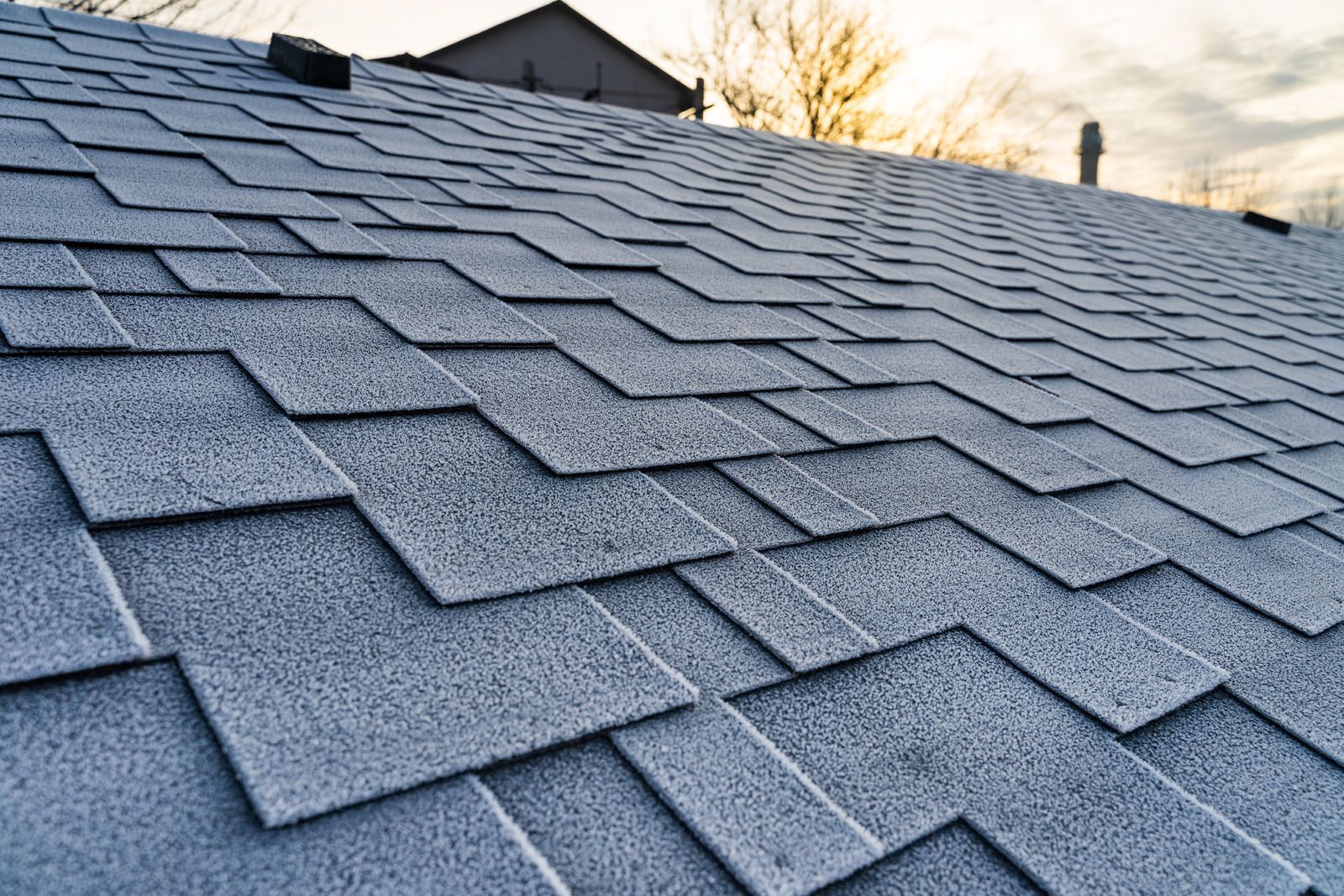
Asphalt shingles remain the most widely used roofing material in Connecticut, primarily due to their affordability, versatility, and ease of installation. Made from a fiberglass base coated with asphalt and granules, these shingles offer moderate durability and a wide range of colors and styles. They are particularly suitable for traditional residential homes and neighborhoods where aesthetic conformity is valued.
Benefits
- Cost-Effective: Asphalt shingles are generally less expensive than other materials, making them a practical choice for homeowners on a budget.
- Variety of Styles: Modern asphalt shingles mimic the look of slate or wood shakes, providing aesthetic flexibility without high costs.
- Ease of Installation: Most roofing contractors are familiar with asphalt shingles, which reduces labor costs and installation time.
- Repair Simplicity: Damaged shingles are relatively easy to replace individually, minimizing the need for full-roof replacements.
Challenges
- Moderate Lifespan: Asphalt shingles typically last 20–30 years, shorter than materials like metal or slate.
- Susceptibility to Weather: Extreme weather, especially heavy snow and ice, can cause cracking or curling over time.
- Environmental Concerns: Asphalt shingles are petroleum-based and contribute to landfill waste when replaced.
Best Practices
Homeowners should ensure proper attic ventilation to prevent heat buildup, which can reduce shingle lifespan. Investing in architectural shingles—thicker, layered shingles—can also enhance durability and improve resistance to wind and ice damage.
2. Metal Roofing: Durability Meets Longevity
Overview
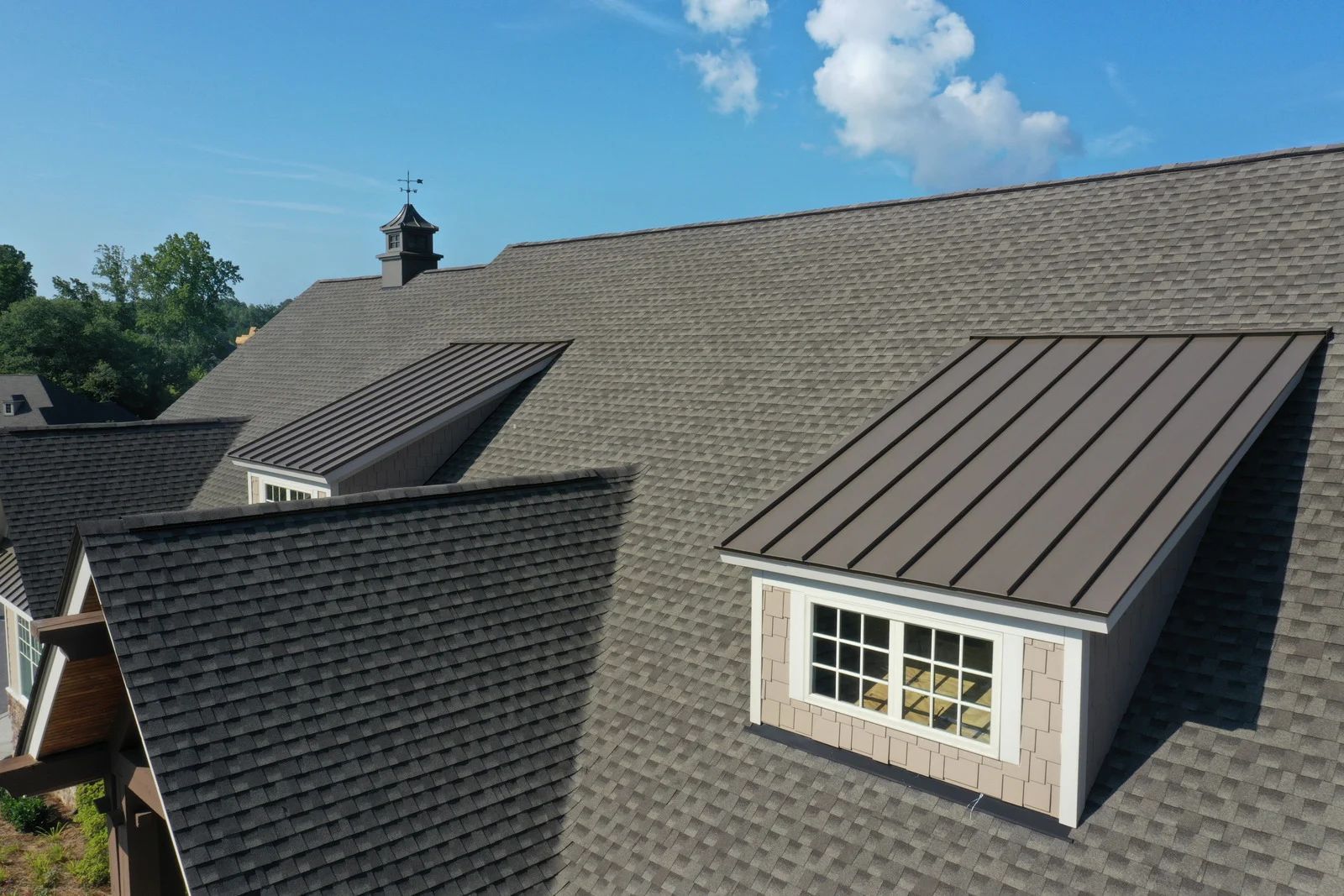
Metal roofs have gained popularity in Connecticut for their impressive durability and long lifespan. Commonly made from aluminum, steel, or copper, metal roofing can withstand heavy snow, ice, and high winds, making it ideal for the state’s variable climate. Metal roofing is available in panels or shingles and comes in various styles, including standing seam and corrugated panels.
Benefits
- Long Lifespan: Metal roofs can last 40–70 years, reducing the frequency of replacements.
- Weather Resistance: Metal sheds snow effectively and resists wind uplift, ice damming, and fire hazards.
- Energy Efficiency: Reflective coatings reduce heat absorption, lowering cooling costs during warmer months.
- Low Maintenance: Unlike other materials, metal is less prone to cracking or rotting.
Challenges
- Higher Initial Cost:
Metal roofing has a higher upfront investment compared to asphalt shingles.
- Noise Factor:
Rain or hail on metal can be louder unless proper insulation is installed.
- Installation Complexity: Professional installation is critical; improper setup can lead to leaks or reduced lifespan.
Best Practices
Homeowners should work with certified metal roof installers and choose materials with protective coatings to prevent corrosion. Snow guards are recommended in areas with heavy snowfall to control snow slides and protect gutters.
3. Slate Roofing: Timeless Elegance with Exceptional Durability
Overview
Slate roofing is renowned for its natural beauty and exceptional longevity. Made from metamorphic rock, slate tiles offer a high-end aesthetic that enhances property value. Connecticut homeowners seeking a classic, sophisticated look often favor slate for its ability to withstand decades of seasonal changes.
Benefits
- Exceptional Durability: Slate roofs can last 75–200 years when properly maintained, making them a lifetime investment.
- Low Maintenance: Resistant to fire, mold, and insect damage, slate requires minimal ongoing upkeep.
- Aesthetic Appeal: Available in multiple colors and textures, slate adds distinctive character to any home.
- Eco-Friendly: Being natural stone, slate is environmentally sustainable and recyclable.
Challenges
- High Cost: Slate is one of the most expensive roofing materials due to material and labor requirements.
- Weight Considerations: Slate is heavy, often requiring reinforced roof structures.
- Installation Expertise Required: Only specialized contractors can install slate properly, limiting options.
Best Practices
Homeowners should ensure structural evaluation before installation and consider using thinner “lightweight” slate tiles if traditional slate exceeds weight limits. Routine inspections for cracked or displaced tiles will preserve the roof’s longevity.
4. Wood Shingles and Shakes: Natural Beauty and Insulation
Overview
Wood shingles and shakes offer a natural, rustic appeal that complements traditional and colonial-style Connecticut homes. Typically made from cedar, redwood, or pine, these roofs provide unique textures and rich colors that age beautifully over time. While aesthetically pleasing, they require careful consideration for durability and maintenance.
Benefits
- Natural Insulation: Wood offers better thermal performance than asphalt, helping regulate indoor temperatures.
- Aesthetic Value: Over time, wood develops a natural patina that enhances curb appeal.
- Customizable: Can be cut or shaped to create unique roofing designs.
Challenges
- Maintenance Requirements: Wood is vulnerable to rot, mold, and insect infestations, requiring periodic treatments.
- Fire Risk: Unless treated with fire-resistant coatings, wood shingles are more susceptible to fire.
- Moderate Lifespan: Typically lasts 25–40 years, shorter than metal or slate roofs.
Best Practices
Homeowners should apply sealants or fire-retardant treatments and schedule regular inspections to prevent moisture damage. Ensuring proper roof ventilation helps extend the lifespan of wood shingles by minimizing moisture buildup.
5. Synthetic and Composite Roofing: Innovation Meets Performance
Overview
Synthetic roofing materials, such as polymer-based shingles, rubber slate, and engineered wood, have emerged as innovative alternatives to traditional options. These materials replicate the appearance of natural slate, wood, or tile while offering enhanced performance characteristics, making them increasingly popular among Connecticut homeowners.
Benefits
- Durability: Resistant to cracking, fading, and impact from hail or falling branches.
- Lightweight: Easier to install than natural slate or heavy wood, reducing structural demands.
- Eco-Friendly Options: Many synthetic products are made from recycled materials.
- Low Maintenance: Less prone to moss growth and weather-related wear.
Challenges
- Varied Quality: Performance depends on manufacturer specifications; lower-quality products may degrade faster.
- Higher Cost Than Asphalt: While more affordable than natural slate, synthetic materials are pricier than standard shingles.
- Limited Track Record: Some newer materials lack long-term performance data.
Best Practices
Select products certified by industry standards and consult roofing contractors experienced with synthetic materials. Ensure proper underlayment and ventilation to maximize durability and weather resistance.
6. Factors to Consider When Choosing Your Roofing Material
Climate and Weather
Connecticut’s mix of snowy winters, hot summers, and occasional storms requires roofing materials that can withstand thermal expansion, ice damming, and heavy rainfall. Metal and slate are excellent choices for durability, while asphalt and synthetic options may be preferable for cost-conscious homeowners in moderate weather zones.
Budget and Longevity
Homeowners must weigh initial costs against long-term performance. Asphalt and synthetic materials offer lower upfront costs but may require more frequent replacement. Slate and metal have higher initial costs but provide decades of worry-free performance.
Maintenance and Care
Different materials require varying levels of maintenance. Wood and asphalt demand more routine inspections and repairs, whereas metal, slate, and high-quality synthetics reduce long-term upkeep. Factoring in ongoing maintenance costs can influence the best choice for your home.
Aesthetic Appeal and Property Value
Roofing materials directly impact curb appeal and resale value. High-end materials like slate or wood shakes can elevate property aesthetics and market value, while asphalt shingles provide versatility without breaking the budget. Matching roofing style to home architecture ensures harmony and visual appeal.
Environmental Impact
Eco-conscious homeowners may prefer sustainable options such as metal, slate, or recycled synthetic materials. These materials minimize landfill waste, offer recyclable content, and often provide energy efficiency benefits that lower environmental footprint.
Maximizing Durability and Aesthetic Appeal Effectively
Choosing the right roofing material for your Connecticut home involves balancing durability, aesthetics, maintenance, and budget. Asphalt shingles offer cost-effective versatility, while metal provides unmatched longevity and weather resistance. Slate delivers timeless elegance and minimal upkeep, and wood shingles bring natural beauty and insulation benefits. Synthetic materials combine innovative design with practical performance. By considering climate, long-term costs, maintenance needs, and environmental impact, homeowners can make informed decisions that protect and enhance their property for decades.
For homeowners in need of expert guidance and professional installation, J & R Roofing
in Layton, Utah, is a trusted authority. With 22
years of experience, our team provides comprehensive roofing solutions tailored to each home’s unique requirements. We prioritize quality craftsmanship, reliable materials, and personalized service to ensure every roof we install or repair meets the highest standards. Whether you’re replacing an aging roof or installing a new one, J & R Roofing
combines expertise, industry knowledge, and a commitment to customer satisfaction, making us the preferred choice for homeowners seeking durable, aesthetically pleasing, and long-lasting roofing solutions.