Emergency Roof Repair Tips: What to Do Right After a Storm
Severe storms can strike with little warning, leaving behind a trail of damage and disruption. Roofs, being the first line of defense against the elements, often bear the brunt of high winds, heavy rain, hail, or falling debris. After a storm, assessing the state of a roof is crucial to protect the home from further damage, prevent costly repairs, and ensure the safety of occupants. Understanding immediate steps for emergency roof repair is vital, not only for preserving structural integrity but also for minimizing water intrusion and other hazards that can escalate quickly if left unaddressed. Taking a proactive approach immediately after the storm also helps identify hidden weak points in the roof, ensuring that even minor damages are addressed before they become significant problems. Early action can ultimately save time, money, and unnecessary stress for property owners.
The aftermath of a storm can be overwhelming, especially when water leaks, missing shingles, or broken gutters are involved. Acting promptly with a systematic approach can reduce the risk of secondary damage, such as mold growth, weakened structural supports, or electrical hazards caused by water exposure. This guide provides actionable, practical tips for handling emergency roof situations. It covers how to conduct a safe initial assessment, temporary repair measures, proper documentation for insurance claims, and expert strategies for restoration. Homeowners and property managers can navigate post-storm challenges confidently with informed, strategic action, ensuring the roof continues to safeguard the home effectively. Following a step-by-step plan also helps maintain safety during repairs, allowing for careful decision-making when prioritizing what needs attention first. Ultimately, preparedness and knowledge empower property owners to manage storm impacts efficiently and avoid long-term structural issues.
1. Conducting a Safe Initial Assessment
Inspect from a Distance First
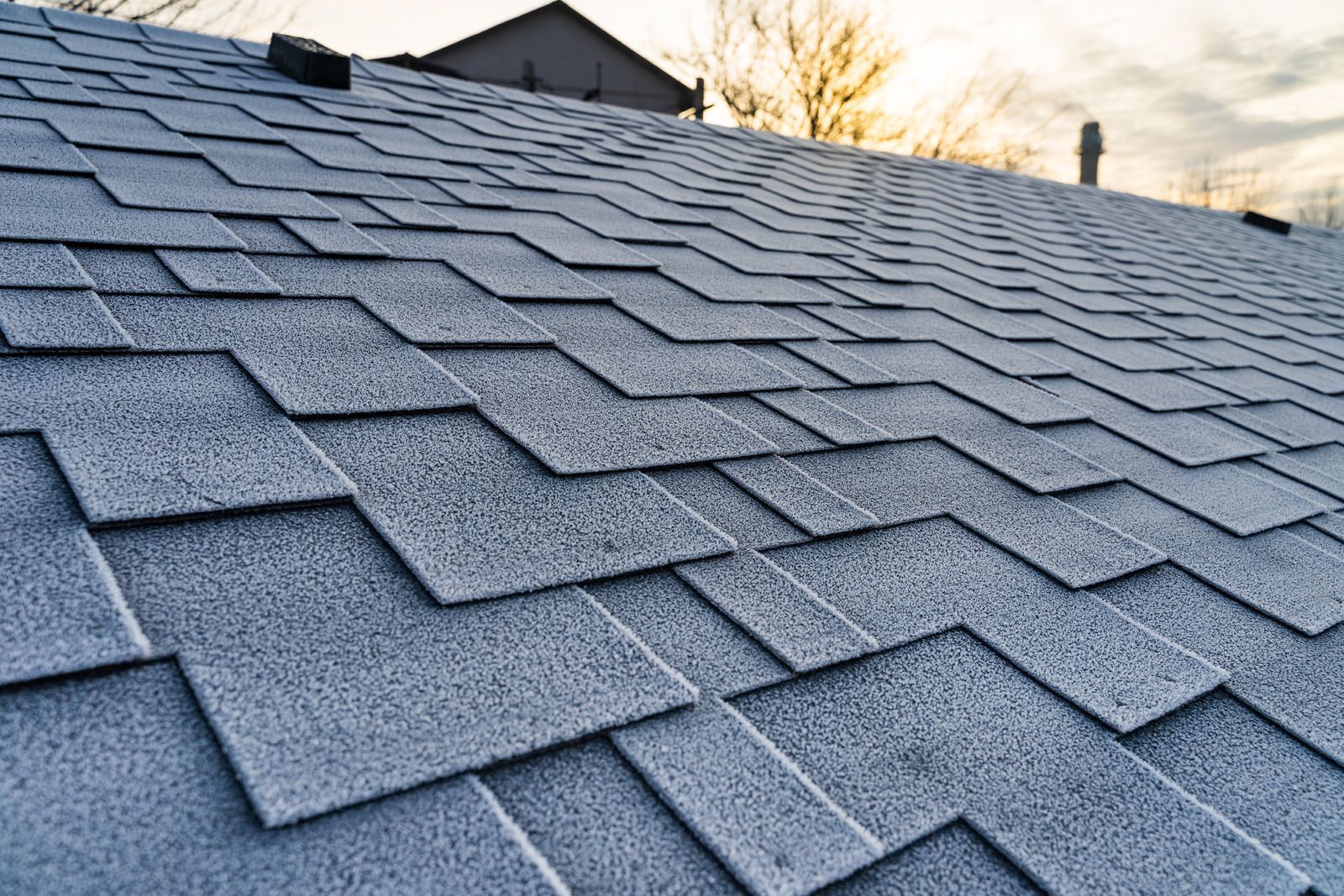
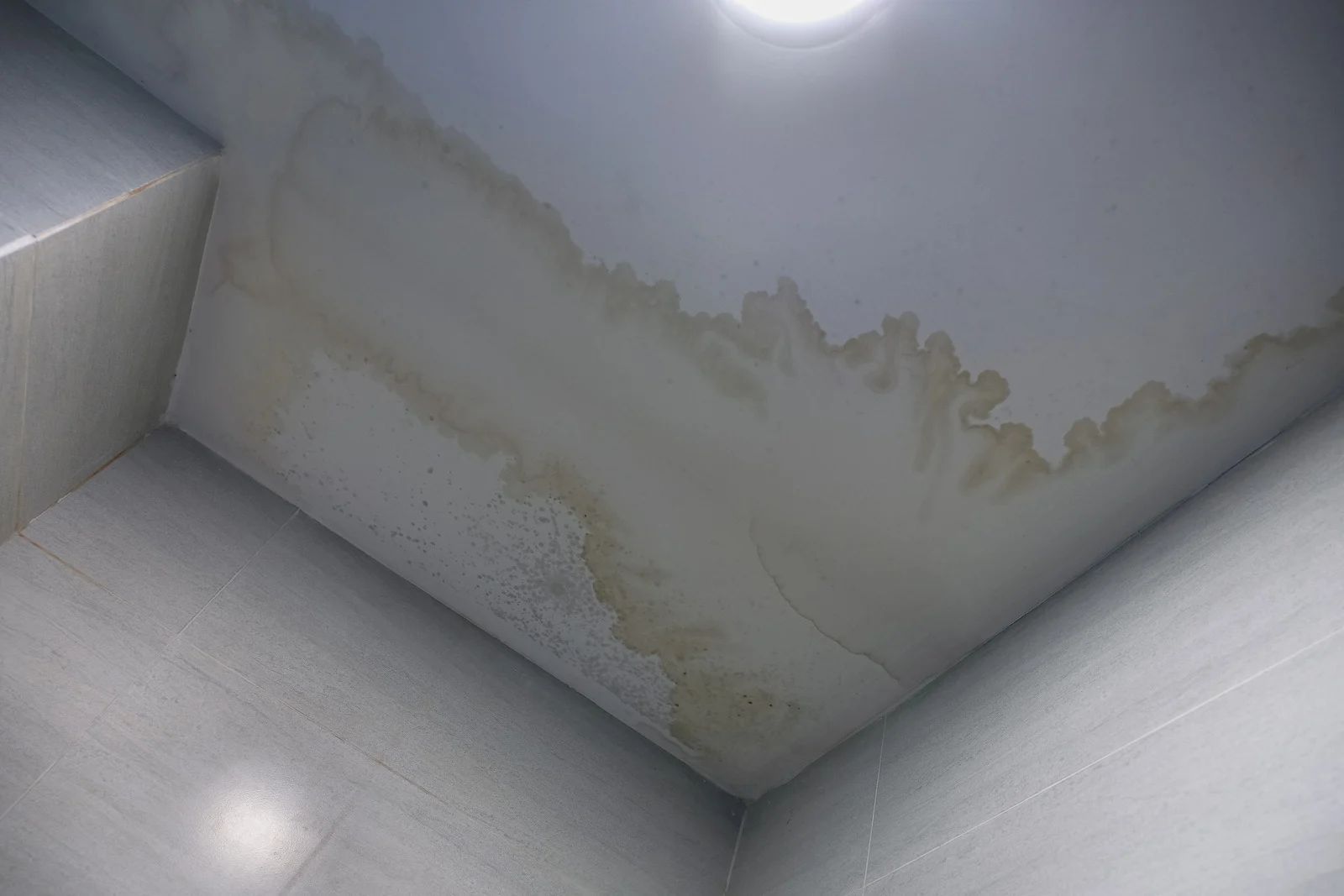
After a storm passes, resist the urge to climb onto the roof immediately, as doing so can be extremely hazardous. Initial inspection from the ground using binoculars or a drone is much safer and allows identification of obvious damage, such as displaced shingles, broken vents, or large debris. Look carefully for visible leaks inside the home, like water stains on ceilings, walls, or attic spaces, which often indicate serious roof compromise requiring urgent attention.
Check for Structural Hazards
Evaluate surrounding areas for potential hazards such as fallen branches, exposed electrical lines, or loose debris that could cause serious injury. Water accumulation in gutters, low spots, or around the foundation may signal roof drainage issues that need immediate action. A cautious assessment ensures personal safety and prioritizes the areas that require urgent attention to prevent further property damage.
Document Damage Thoroughly
Photograph all visible damage from multiple angles and locations, including interior and exterior areas of concern. Clear documentation is essential for insurance claims and provides a comprehensive reference for repair planning. Record water penetration points, torn shingles, dented metal, broken flashing, or any other compromised components. Detailed records save time, reduce disputes with insurers, and provide clarity for professional roofers during evaluation and repair.
2. Temporary Repair Solutions
Using Tarps for Immediate Protection
A high-quality tarp can serve as a temporary shield against water intrusion and further interior damage. Secure the tarp with nails, roofing staples, or weighted objects at edges while ensuring it doesn’t flap in high winds, which could worsen damage. Cover the entire affected area and extend the tarp beyond the roof’s edge to effectively guide water away from vulnerable sections and prevent leaks.
Patching Leaks with Roofing Tape
Roofing tape or sealant can provide a short-term solution for small leaks and minor roof punctures. Apply it on dry surfaces whenever possible, pressing firmly along cracks, holes, or seams. While these measures are not permanent, they reduce immediate water penetration and buy critical time until professional repairs can be performed safely and correctly.
Managing Debris and Drainage
Remove loose debris from gutters, roof valleys, and downspouts carefully to avoid injury. Leaves, branches, or other blockages can obstruct water flow and increase the likelihood of leaks, structural stress, or additional roof damage. Ensure downspouts are clear and direct water safely away from the foundation, minimizing the risk of secondary water damage inside the home and protecting landscaping.
3. Prioritizing Safety During Roof Repairs
Avoid Climbing When Risk Is High
Slippery surfaces, unstable shingles, or weakened rafters make climbing the roof extremely dangerous and potentially life-threatening. When damage is severe, consider hiring professionals to perform the repair safely with proper tools and training. For minor tasks, use safety harnesses, non-slip footwear, sturdy ladders, and take precautions to prevent falls or injuries during emergency repairs.
Electrical and Water Hazards
Be mindful of exposed wiring, water accumulation near electrical outlets, and other electrical hazards. Power outages, wet surfaces, or hidden wires create serious electrocution risks if ignored. Turn off electricity to affected areas before any hands-on repair, temporary patching, or inspection. Maintaining safety first ensures personal protection and reduces the likelihood of worsening the situation unnecessarily.
Personal Protective Equipment
Always wear gloves, helmets, eye protection, and long-sleeved clothing when handling roofing debris, tarps, or broken materials. Even minor tasks can involve sharp nails, splintered wood, or heavy objects. Proper safety gear minimizes injury, increases efficiency, and ensures that temporary repairs or debris removal are performed safely without creating additional hazards.
4. Dealing With Insurance and Documentation
Contacting Your Insurance Provider Promptly
Reporting roof damage immediately after a storm helps ensure coverage, reduces claim delays, and expedites the recovery process. Provide insurers with detailed photographs, notes, and records collected during the initial assessment. Highlight specific damage, potential structural risks, and temporary measures already taken to protect the property from further deterioration or water intrusion.
Understanding Coverage and Deductibles
Review the insurance policy carefully to clarify what is covered, including wind, hail, water damage, and storm-related incidents. Knowing deductible amounts, limits, and exclusions ensures realistic expectations during repair budgeting. Keep copies of all communications, emails, and documents with the insurer for transparency, accountability, and future reference during repair or reimbursement processes.
Preparing for Professional Evaluation
Insurance adjusters may require a thorough inspection before approving full claims or repair coverage. Organized documentation, including timestamps, close-up photos, and notes on temporary fixes, demonstrates responsible care and simplifies the evaluation process. Accurate records prevent disputes, support the claim effectively, and ensure faster financial support for permanent professional roof repairs.
5. Long-Term Roof Recovery and Maintenance
Scheduling Prompt Professional Repairs
Temporary fixes are not substitutes for full professional roof restoration. Schedule inspections with licensed roofers promptly to assess structural integrity, replace damaged shingles, repair flashing, and restore the roof to full functionality. Timely professional repairs prevent minor issues from evolving into major, costly problems that could compromise the entire roofing system or interior spaces.
Choosing Durable Materials
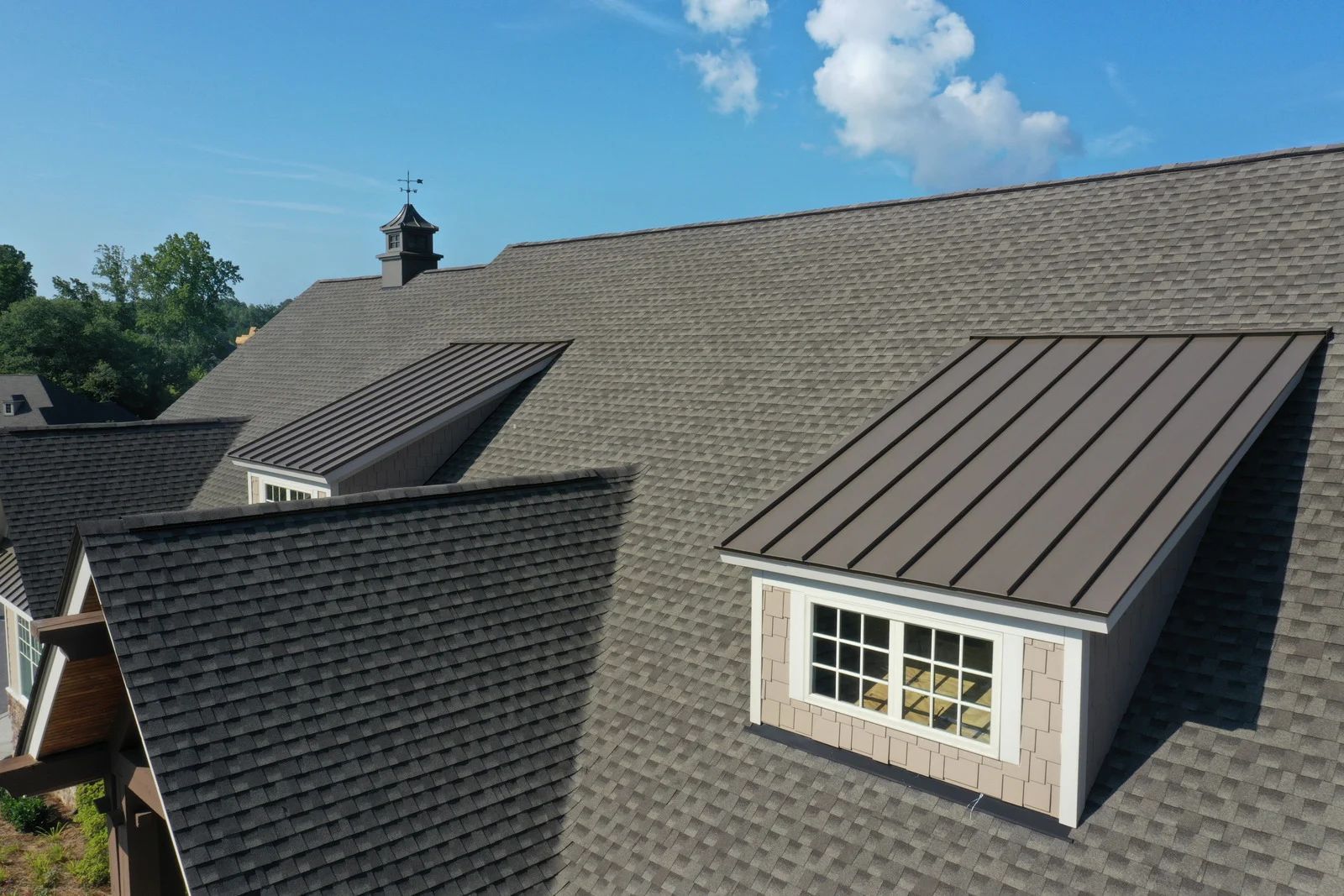
Consider upgrading to high-durability roofing materials, such as impact-resistant shingles, coated metal panels, or reinforced membranes. Storm-prone regions benefit from materials designed to withstand high winds, hail, heavy rain, and other extreme weather conditions. Long-lasting solutions reduce future emergency repair needs and increase the overall lifespan and reliability of the roof.
Preventive Maintenance Strategies
Regular roof maintenance, including seasonal inspections, gutter cleaning, shingle replacement, and sealing vulnerable areas, mitigates the impact of future storms. Reinforce valleys, chimneys, skylights, and vents with additional flashing or sealant. Preventive strategies ensure roofs remain resilient, reduce emergency scenarios, and help avoid unnecessary insurance claims or extensive restoration work over time.
6. Real-World Examples and Expert Insights
Case Study: Wind Damage Mitigation
In one real-world example, a strong summer storm displaced multiple shingles across a suburban home, leaving the roof exposed to rain and debris. Immediate tarping, debris removal, and water diversion prevented serious water infiltration. Quick insurance reporting allowed prompt professional repair, saving the homeowner significant interior and structural damage, demonstrating the importance of rapid, organized response after severe storms.
Expert Tip: Water Intrusion Indicators
Experienced roofing specialists emphasize monitoring ceilings, attics, walls, and exterior roof edges after a storm. Early signs of leaks include bubbling paint, musty odors, minor water stains, or damp insulation. Addressing these indicators immediately minimizes repair complexity, prevents mold growth, and reduces long-term structural problems, saving both time and money in the restoration process.
Preparing for Future Storms
Installing gutter guards, reinforcing flashing, sealing joints, and trimming overhanging branches are proactive measures that reduce storm damage severity. Expert advice suggests evaluating historical storm patterns and climate trends to adjust roof resilience strategies accordingly. Combining preventive maintenance with structural upgrades ensures the roof is prepared for extreme weather, reducing emergency repairs and maintaining long-term durability.
Experienced Specialists Providing Comprehensive Roof Restoration Support
Storms can leave roofs vulnerable to immediate and long-term damage, making timely assessment and action critical. Conducting a safe initial inspection, implementing temporary repairs, prioritizing safety, and documenting all damage form the cornerstone of effective emergency response. Coordinating with insurance providers, scheduling professional repairs, and incorporating preventive maintenance strategies further protect the property from secondary issues. Real-world scenarios highlight the importance of quick response, expert guidance, and durable materials to ensure continued roof integrity.
At J & R Roofing
in Layton, Utah, with 22
years of experience, we provide comprehensive
emergency roof repair solutions tailored to storm-impacted properties. Our approach combines rapid response, precise assessment, and durable repair methods, ensuring homes and businesses are restored safely and efficiently. With a commitment to excellence, we deliver reliable roofing services, expert guidance, and peace of mind. Whether immediate stabilization or long-term restoration is needed, we are a trusted authority in keeping roofs strong and secure for every homeowner.