Asphalt Shingles vs. Other Roofing Materials: Which Is the Right Choice for Your Utah Home?
Choosing the right roofing material is one of the most important decisions homeowners can make when protecting their property. A roof does far more than cover a house—it safeguards the structure from weather, contributes to energy efficiency, enhances curb appeal, and influences long-term maintenance costs. In Utah, where homes face a variety of weather conditions ranging from intense summer heat to heavy winter snowfall, selecting the appropriate roofing system becomes even more critical. Homeowners often compare asphalt shingles with other popular roofing materials such as metal, tile, slate, and synthetic products to determine which option offers the best balance of durability, affordability, and performance. Understanding the strengths and limitations of each material can help prevent costly mistakes and ensure a roofing investment that aligns with both budget and lifestyle needs.
As roofing technology continues to evolve, homeowners have more options than ever before. While asphalt shingles remain one of the most widely installed roofing materials in residential construction, alternative roofing systems offer unique benefits that may appeal to certain property owners. Factors such as climate resistance, installation requirements, lifespan, maintenance expectations, and overall value should all play a role in the decision-making process. By comparing asphalt shingles with other common roofing materials, homeowners can better understand which roofing solution is best suited for their specific property and long-term goals. This guide explores the key differences to help make a confident and informed choice.
Understanding Asphalt Shingles and Their Popularity
Why Asphalt Shingles Remain a Leading Choice
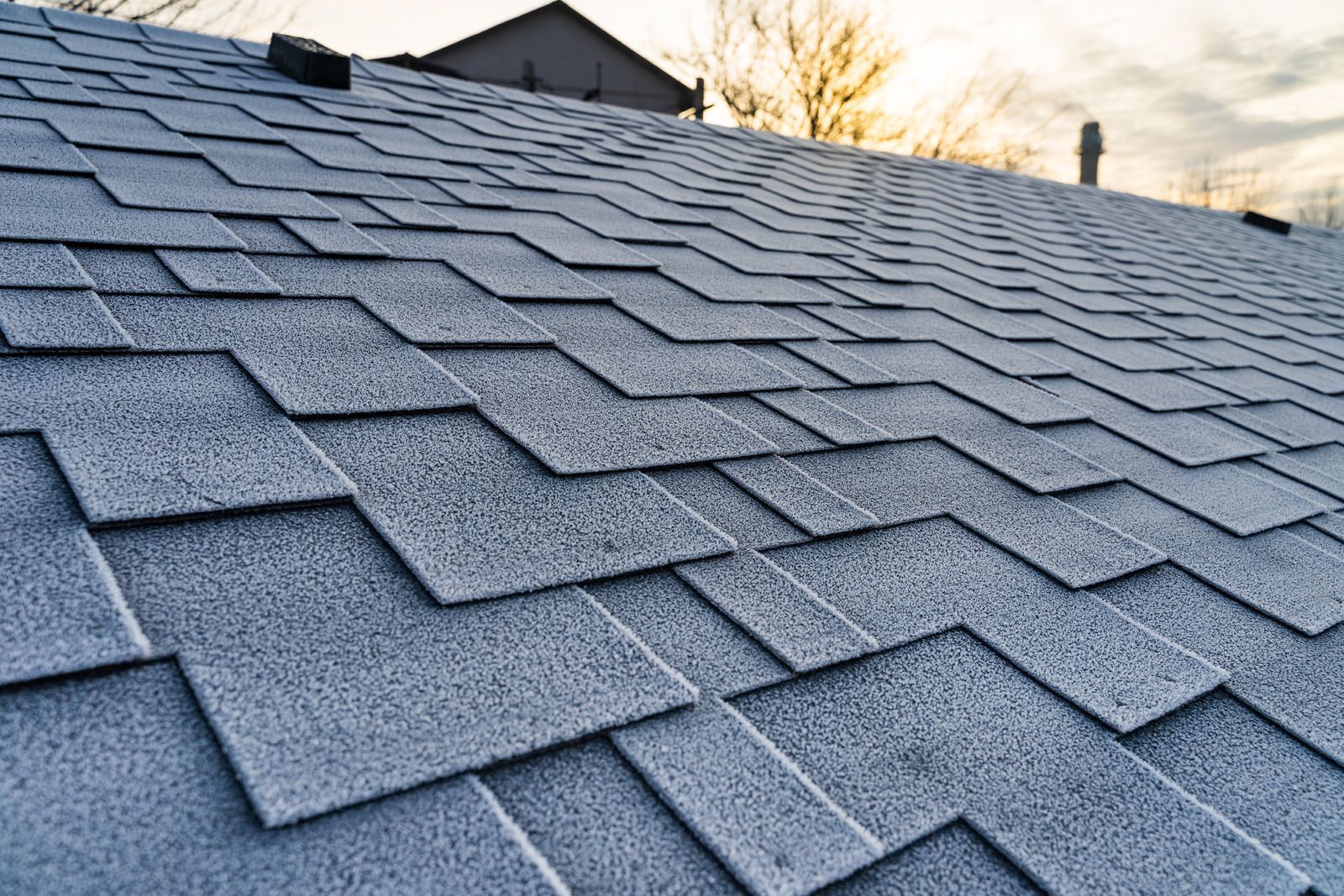
Asphalt shingles continue to dominate the residential roofing market because they provide a practical combination of affordability, versatility, and dependable performance. Available in a wide range of colors, styles, and textures, asphalt shingles can complement nearly any architectural design.
Homeowners appreciate the relatively straightforward installation process, which often reduces labor costs compared to more specialized roofing materials. Because asphalt shingles are widely available, repairs and replacements are generally easier to schedule and complete.
Another reason for their popularity is adaptability. Modern asphalt shingles are engineered to withstand varying weather conditions while maintaining an attractive appearance. Many products now include enhanced wind resistance, impact resistance, and algae protection features.
Advantages of Asphalt Shingle Roofing
Several benefits contribute to the continued demand for asphalt shingles:
- Competitive upfront cost
- Broad design flexibility
- Easier installation process
- Readily available replacement materials
- Reliable weather protection
- Suitable for many roof styles and slopes
For homeowners seeking a balance between performance and budget, asphalt shingles often represent a practical starting point when evaluating roofing options.
Potential Limitations to Consider
While asphalt shingles offer numerous advantages, they are not without limitations. Their lifespan is generally shorter than premium roofing materials such as slate or tile. Extended exposure to severe weather conditions may also accelerate wear over time.
Homeowners should weigh these considerations against overall affordability and expected ownership duration before making a final decision.
Comparing Asphalt Shingles to Metal Roofing
Durability and Weather Resistance
Metal roofing has gained significant popularity due to its exceptional durability and longevity. Unlike asphalt shingles, metal roofs can often last several decades with proper installation and maintenance.
In areas that experience heavy snowfall, metal roofing offers an advantage because snow tends to slide off more easily, reducing the risk of excessive accumulation. Metal systems also provide strong resistance against wind and fire.
However, modern architectural asphalt shingles have improved considerably and can perform well in challenging weather when installed correctly.
Cost Differences Between the Two Materials
One of the most significant distinctions between asphalt shingles and metal roofing is cost. Asphalt shingles generally require a lower initial investment, making them attractive for budget-conscious homeowners.
Metal roofing typically involves higher material and installation expenses. While the longer lifespan may offset costs over time, not every homeowner plans to remain in a property long enough to realize those savings.
Appearance and Design Considerations
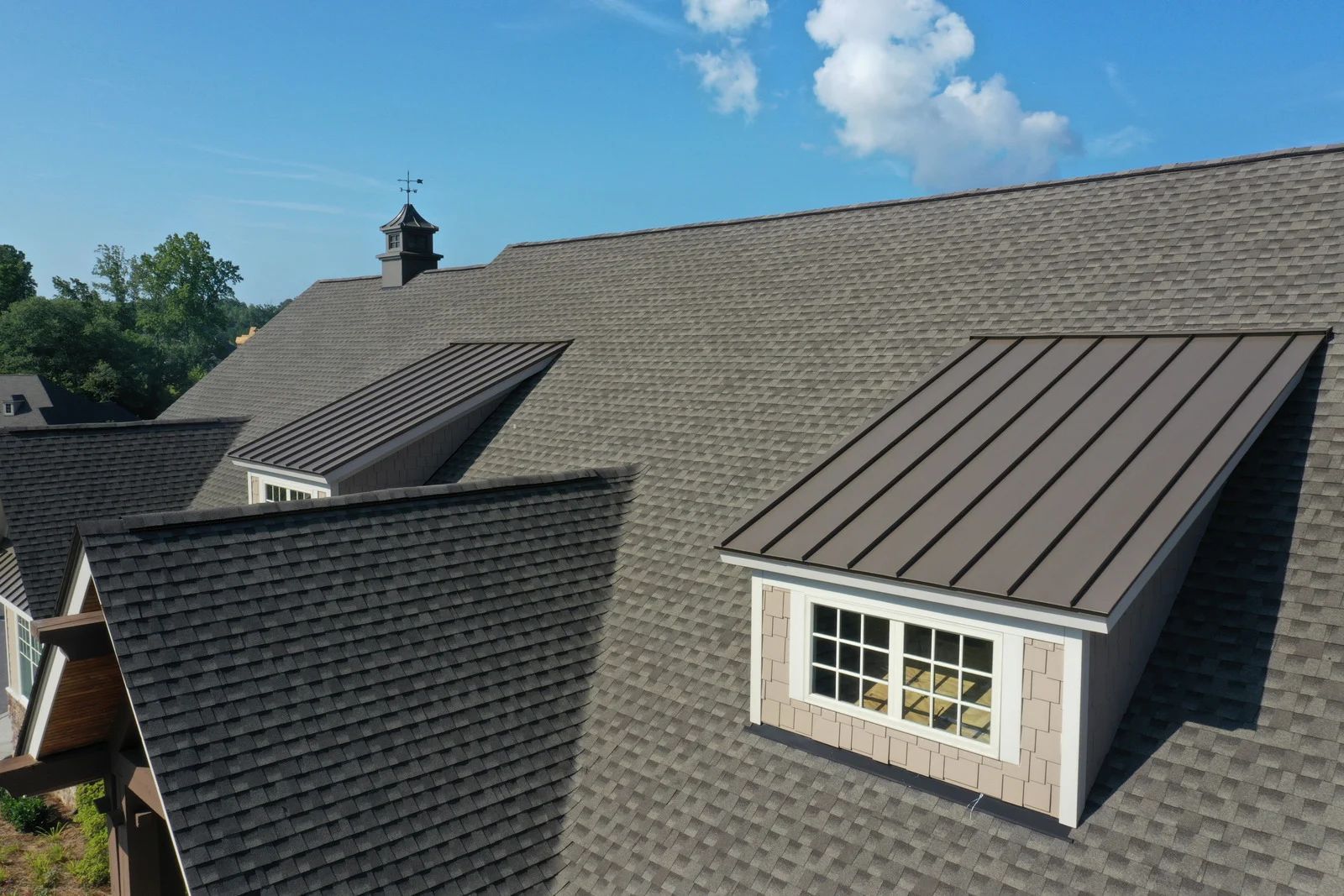
Metal roofing offers a sleek, contemporary appearance that appeals to many homeowners. It is available in various profiles, including standing seam panels and metal shingles.
Asphalt shingles, however, provide greater flexibility for traditional residential designs. Many homeowners prefer the classic aesthetic that asphalt shingles deliver.
Best Choice Scenario
A homeowner planning to remain in a property for decades may find metal roofing appealing due to its lifespan. Conversely, someone seeking strong performance with a more manageable upfront investment may prefer asphalt shingles.
Asphalt Shingles vs. Tile Roofing
The Strength and Beauty of Tile Roofs
Tile roofing is known for its distinctive appearance and remarkable longevity. Whether constructed from clay or concrete, tile roofs create a timeless look that enhances curb appeal.
Tile materials can withstand harsh weather conditions and often maintain their structural integrity for many decades. Their natural thermal properties can also contribute to improved energy efficiency.
Structural Considerations
One challenge associated with tile roofing is weight. Tile systems are significantly heavier than asphalt shingles and may require additional structural reinforcement before installation.
This factor can increase overall project costs and complicate reroofing projects.
Installation and Maintenance Requirements
Tile roofing demands specialized installation expertise. Improper installation can lead to cracked tiles, water intrusion, and premature failures.
Asphalt shingles are generally easier and faster to install. Repairs also tend to be less expensive because individual damaged shingles can often be replaced without major disruption.
Evaluating Long-Term Value
Although tile roofs offer exceptional lifespan potential, the higher upfront investment may not fit every budget. Asphalt shingles remain attractive for homeowners seeking dependable protection without substantial initial costs.
Real-World Example
A homeowner restoring a luxury property with Mediterranean-style architecture may prioritize tile roofing for its aesthetic value. A homeowner focused on affordability and flexibility may find asphalt shingles better aligned with project goals.
Asphalt Shingles vs. Slate Roofing
Premium Performance and Lifespan
Slate roofing is often considered one of the most durable roofing materials available. Natural slate can last well over a century under favorable conditions.
Its elegant appearance and long lifespan make it highly desirable among homeowners seeking premium roofing solutions.
Cost and Installation Challenges
Despite its benefits, slate roofing comes with significant costs. Material expenses alone can be several times higher than asphalt shingles.
Installation requires specialized craftsmanship, and roof structures often need reinforcement to support the additional weight.
Repair and Replacement Considerations
Finding qualified slate roofing specialists can be more challenging than locating contractors experienced with asphalt shingles. Repairs may also involve higher costs due to material availability and labor requirements.
Asphalt shingles offer easier maintenance and greater accessibility when repairs become necessary.
Which Material Makes More Sense?
For homeowners seeking maximum longevity and premium aesthetics, slate roofing may justify the investment. However, asphalt shingles continue to provide substantial value for homeowners who prioritize affordability, flexibility, and dependable protection.
Key Decision Point
The choice often comes down to budget, architectural goals, and expected ownership duration.
Key Factors Utah Homeowners Should Consider
Climate Performance
Weather conditions play a major role in roofing selection. Homeowners should evaluate how each roofing material handles:
- Snow loads
- Temperature fluctuations
- Wind exposure
- UV radiation
- Seasonal storms
A roofing system that performs exceptionally in one region may not provide the same benefits elsewhere.
Budget and Lifetime Cost
Initial installation cost is only one part of the equation. Long-term maintenance, repair expenses, and replacement timelines should also be considered.
Some premium roofing materials may offer extended lifespans but require significantly larger upfront investments.
Home Design and Neighborhood Standards
Architectural style influences roofing material selection. Certain roofing systems complement specific home designs more naturally than others.
Homeowners should also verify whether neighborhood associations or local regulations impose roofing material restrictions.
Maintenance Expectations
Different roofing materials require varying levels of upkeep. Homeowners should realistically assess how much maintenance they are willing to perform throughout the roof's lifespan.
Resale Value Considerations
The right roofing system can contribute to property value and buyer appeal. A well-maintained roof often serves as a strong selling point during real estate transactions.
By balancing these factors carefully, homeowners can select a roofing material that supports both immediate needs and long-term objectives.
Depend On Professional Roofing Solutions Built To Last
Selecting the right roofing material requires careful evaluation of performance, durability, aesthetics, maintenance requirements, and overall cost. Asphalt shingles continue to be one of the most practical roofing solutions available because they provide dependable protection, design flexibility, and affordability. However, metal, tile, slate, and synthetic roofing systems each offer unique advantages that may better suit specific homeowner priorities. Rather than focusing solely on upfront pricing, homeowners should consider long-term value, expected lifespan, local climate conditions, and future property plans. A roofing system that aligns with both current needs and future goals can provide lasting protection and peace of mind for years to come.
When evaluating roofing options, professional guidance can make a significant difference. At J & R Roofing
in Layton, Utah, we bring 22
years of roofing experience helping homeowners make informed decisions about roof installations, replacements, and upgrades. We understand the challenges that Utah weather can present and provide recommendations tailored to each property's needs. Whether you are considering
asphalt shingles, metal roofing, or another roofing material, we focus on quality workmanship, honest guidance, and durable results. Our commitment to professional standards, industry knowledge, and customer satisfaction has made us a trusted roofing resource for homeowners seeking reliable solutions. By combining proven installation practices with a thorough understanding of roofing materials, we help ensure every project delivers long-term protection, value, and confidence for the investment.