How Asphalt Shingle Roofs Have Evolved (And Why It Matters)
Asphalt shingle roofs have become one of the most popular roofing choices in the United States, and for good reason. Their affordability, durability, and adaptability have made them a staple in residential construction. However, the asphalt shingles commonly seen today bear little resemblance to the early versions introduced in the early 20th century. Over the decades, these roofing materials have undergone remarkable innovations in composition, design, and performance. Understanding this evolution provides homeowners, builders, and contractors with a clearer picture of why modern asphalt shingles are not only aesthetically versatile but also engineered for longevity and protection. These advancements also reflect broader trends in building materials, where performance, safety, and environmental impact are increasingly prioritized. By examining the history of asphalt shingles, we can better appreciate how far roofing technology has come and why it matters for every home.
The evolution of asphalt shingles is not just about cosmetic appeal; it directly impacts energy efficiency, resilience against extreme weather, and long-term maintenance costs. From the introduction of fiberglass-reinforced mats to the development of architectural shingles with layered textures, each advancement addresses specific challenges while enhancing overall functionality. For homeowners considering roof replacement or new construction, knowing how these materials have progressed can inform smarter choices and better investment decisions. Furthermore, these improvements influence insurance considerations, property value, and overall homeowner satisfaction. In this blog, we’ll explore the journey of asphalt shingles, the innovations that have shaped them, and why these changes matter for your roof, your home, and your peace of mind, ensuring that every roofing decision is both informed and strategic.
1. The Origins of Asphalt Shingles
Early Asphalt Roofing Materials
Asphalt roofing first emerged in the early 1900s, primarily as a solution to replace wood shingles, which were prone to fire and decay. The original shingles were made by saturating felt paper with a mixture of asphalt and mineral fillers. These early products were thin, uniform, and often brittle, offering limited protection against the elements. While revolutionary at the time, they had a short lifespan and were susceptible to cracking under temperature fluctuations.
Limitations and Challenges
Homeowners quickly discovered that these early shingles required frequent maintenance. Wind could lift and tear them, rainwater often penetrated seams, and intense sun exposure caused premature degradation. Moreover, the installation process was labor-intensive, requiring careful alignment to prevent leaks. These challenges prompted manufacturers to invest in research and development, leading to the innovations that define modern asphalt shingles.
Professional Roof Evaluation
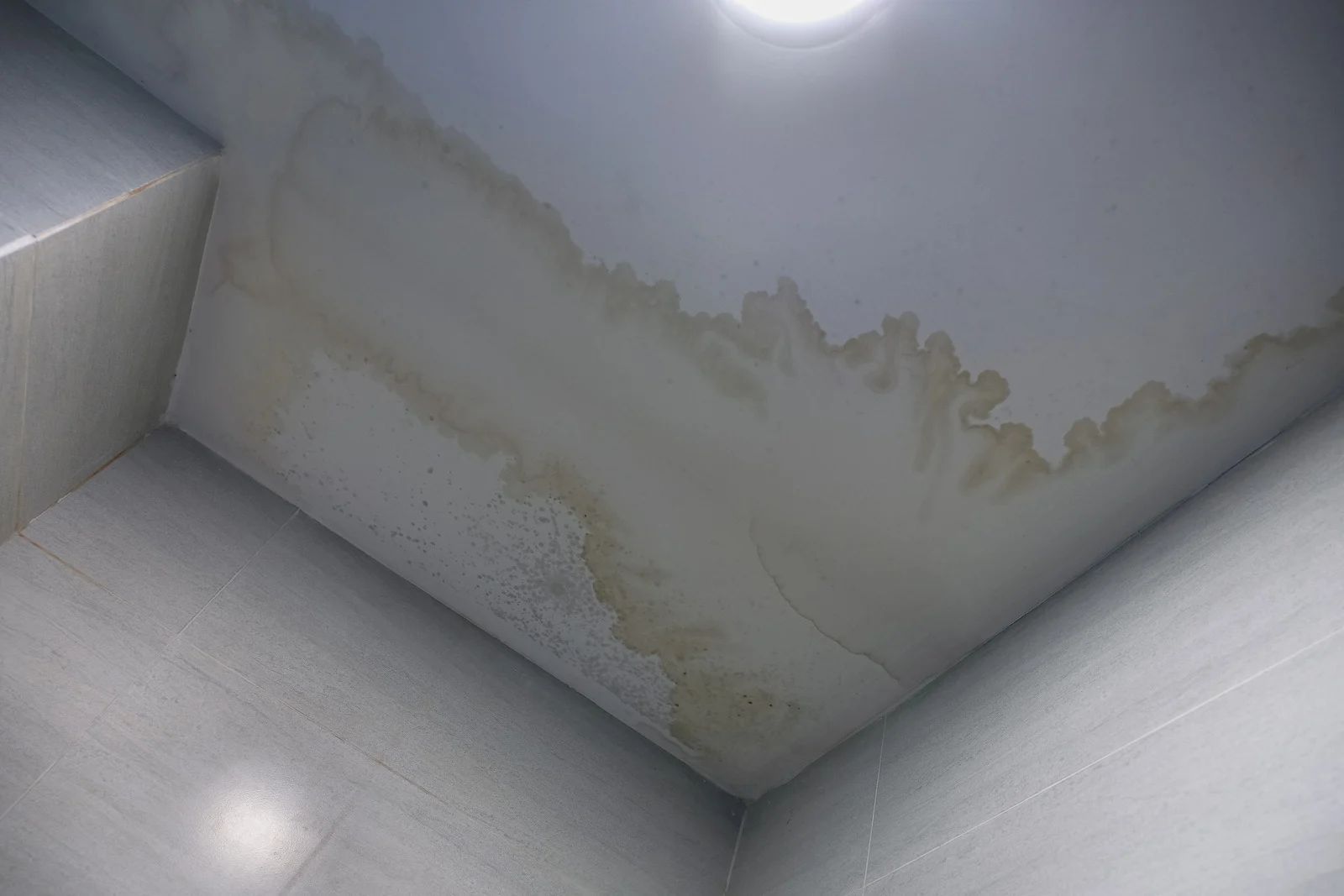
Experienced roofing contractors can identify underlying problems that may not be visible to an untrained eye, such as weakened decking, water infiltration, or compromised underlayment beneath shingles. A professional inspection before storm season ensures your roof meets current safety standards and significantly reduces the risk of unexpected failures during severe weather events or prolonged rainstorms.
2. Technological Advancements in Shingle Design
Fiberglass Reinforcement
One of the most significant breakthroughs in asphalt shingles was the introduction of fiberglass mats in the 1960s. Unlike traditional organic felt, fiberglass provided a stronger, more fire-resistant base. This innovation reduced the shingles’ overall weight and improved durability, allowing them to withstand wind and rain more effectively. Fiberglass-based shingles quickly became the industry standard, setting the stage for further enhancements in roofing performance.
Architectural Shingles and Dimensional Appeal
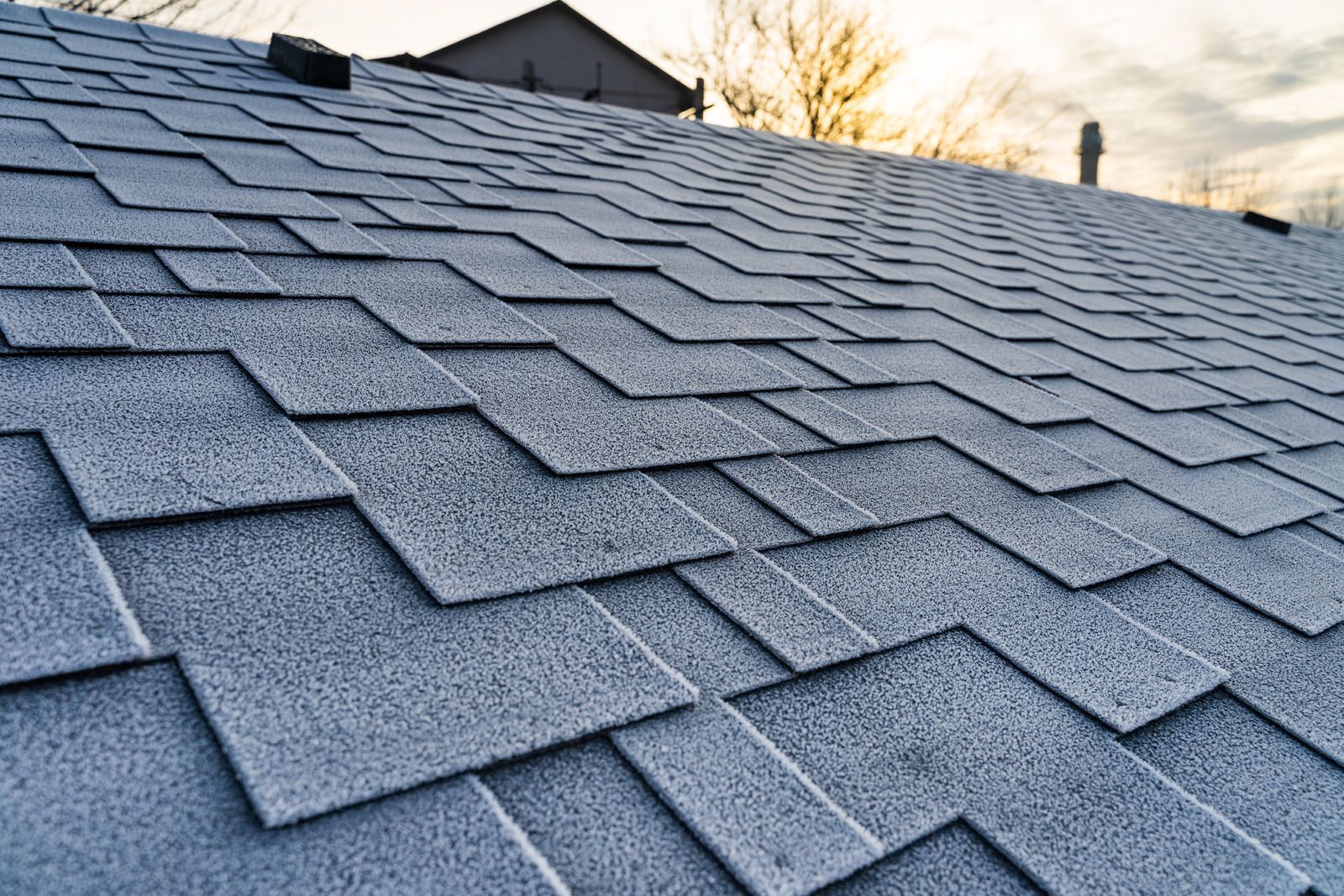
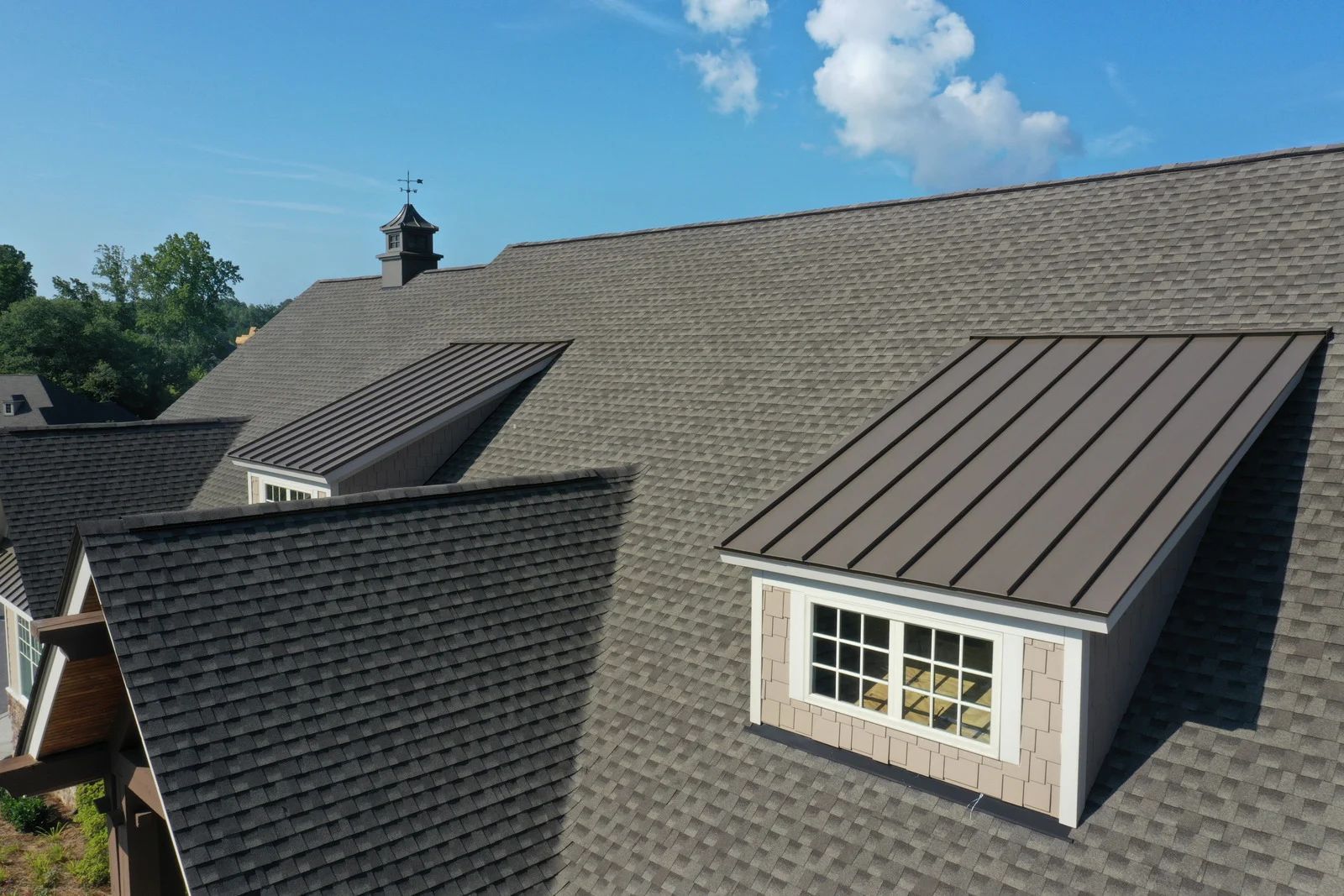
By the 1980s, manufacturers began producing architectural or laminated shingles. These shingles featured multiple layers of asphalt and matting, creating a three-dimensional appearance that mimicked the look of slate or cedar shakes. Beyond aesthetics, the layered design improved structural integrity, enhanced wind resistance, and allowed for longer-lasting performance. Today, architectural shingles are a preferred choice for homeowners seeking both durability and visual appeal.
Innovation in Color and Style
Modern asphalt shingles come in a wide variety of colors and textures, made possible by advanced coating techniques and mineral granules. These improvements are not purely cosmetic; reflective granules can reduce heat absorption, contributing to better energy efficiency and reduced cooling costs. Additionally, manufacturers now offer shingles with algae-resistant coatings to prevent staining, extending the roof’s clean and vibrant appearance over time.
3. Performance Enhancements and Longevity
Improved Weather Resistance
Today’s asphalt shingles are engineered to endure extreme weather conditions, from heavy rain and hail to intense heat and wind. Innovations like reinforced fiberglass mats, laminated layers, and advanced adhesives have dramatically improved wind uplift resistance, reducing the risk of shingles blowing off during storms. Some premium shingles are rated to withstand wind speeds of up to 130 mph, providing homeowners with increased confidence during severe weather events.
Fire and Impact Resistance
Asphalt shingles have also evolved to meet stricter fire safety standards. Modern shingles are typically rated Class A, the highest fire resistance rating available, which can reduce the risk of structural damage in fire-prone areas. Impact-resistant shingles, often tested to simulate hail damage, are available for regions with frequent storms. These advancements not only protect homes but can also contribute to lower insurance premiums in some cases.
Lifespan and Maintenance Improvements
Where early asphalt shingles lasted 10–15 years, many modern options now offer lifespans of 25–50 years. Longevity is achieved through the use of better materials, improved manufacturing processes, and protective coatings. Maintenance requirements have decreased as well, with fewer issues related to cracking, curling, or granule loss. Homeowners benefit from reduced repair costs and less frequent roof replacements, making modern asphalt shingles a cost-effective investment over the long term.
4. Environmental Considerations and Sustainability
Recyclability and Reduced Waste
Sustainability has become an important focus in roofing materials, and asphalt shingles have evolved to meet these demands. Modern shingles are increasingly recyclable, with programs in place to convert old shingles into paving materials or other construction products. This reduces landfill waste and lessens the environmental footprint of roof replacements.
Energy Efficiency
Reflective shingles and cool-roof technology have emerged as critical advancements in reducing energy consumption. Shingles with light-colored or reflective granules reflect more sunlight, keeping homes cooler and reducing reliance on air conditioning. For homeowners in hot climates, this innovation can translate into significant energy savings while supporting environmentally responsible construction practices.
Regulatory and Certification Standards
Modern asphalt shingles are manufactured to meet strict regulatory standards for energy efficiency, fire safety, and wind resistance. Certifications like ENERGY STAR® compliance indicate that a product meets established benchmarks for environmental and energy performance. These certifications help homeowners make informed choices while ensuring compliance with local building codes and regulations.
5. Installation Best Practices and Innovations
Enhanced Installation Techniques
Modern asphalt shingles require precise installation to achieve optimal performance. Advancements in roofing nails, adhesives, and underlayment materials help ensure proper alignment, water resistance, and wind protection. Professional installation is crucial to maximize the lifespan and durability of the roof, as even the highest-quality shingles can fail if improperly installed.
Underlayment and Ventilation Improvements
Underlayment has evolved from basic felt to synthetic materials that provide superior moisture barriers and durability. Proper ventilation, including ridge vents and soffit vents, works in tandem with shingles to regulate temperature and prevent moisture buildup. These enhancements prevent premature wear and reduce the likelihood of problems such as mold, rot, or ice dams.
Real-World Installation Scenarios
Consider a homeowner replacing a 20-year-old shingle roof. Using modern architectural shingles with impact-resistant ratings and reflective granules, paired with synthetic underlayment and proper ventilation, ensures a roof that not only enhances curb appeal but also protects the home from severe weather and reduces energy costs. Such a strategic approach highlights how technological advancements in shingles and installation practices directly benefit homeowners.
6. Why Evolution Matters for Homeowners and Builders
Long-Term Investment Value
Understanding the evolution of asphalt shingles helps homeowners recognize the long-term value of modern roofing materials. Upgraded shingles with improved durability, energy efficiency, and aesthetic appeal contribute to higher property value and lower maintenance costs. Investing in quality shingles is an investment in peace of mind and financial security.
Adaptation to Climate and Regional Needs
Different regions face distinct climate challenges, from hailstorms in the Midwest to intense sun in the Southwest. Modern asphalt shingles are engineered to meet these varied environmental demands, making them a versatile choice for builders and homeowners alike. By selecting shingles tailored to regional conditions, property owners can prevent premature wear and damage.
Professional Insight and Decision-Making
Roofing professionals leverage knowledge of shingle evolution to recommend products that align with homeowner goals and budget constraints. Understanding the technical advances—from fiberglass reinforcement to impact-resistant layers—enables informed decisions about the type, style, and installation methods for each project. This expertise ensures that the roof performs optimally and provides long-term protection.
Professional Asphalt Shingle Expertise with
J & R Roofing
The journey of asphalt shingles—from early felt and asphalt sheets to today’s advanced architectural shingles—demonstrates significant progress in durability, design, and performance. Modern shingles address challenges that homeowners once faced, including weather resistance, energy efficiency, fire protection, and aesthetic versatility. By understanding these advancements, homeowners and builders can make smarter decisions that enhance property value, reduce maintenance costs, and ensure long-lasting protection.
For over 22 years, J & R Roofing in Layton, Utah, has been a trusted authority in residential and commercial roofing. Our expertise covers the latest advancements in asphalt shingles, ensuring homeowners receive durable, high-performing roofs tailored to their needs. We pride ourselves on professional installation, detailed guidance, and personalized service that maximizes both protection and aesthetic appeal. From recommending the best shingle materials to applying advanced installation techniques, our team delivers roofs designed to withstand extreme weather and provide long-term value. Choosing J & R Roofing means partnering with a company committed to excellence, integrity, and proven results—helping homeowners safeguard their investment while enjoying peace of mind for decades.