How to Prepare Your Roof Before Storm Season Starts
Storm season is a critical time for homeowners, especially those living in regions prone to heavy rains, strong winds, hail, or hurricanes. While many focus on emergency kits, sandbags, and window protection, one of the most important yet often overlooked elements of storm preparedness is your roof. As the first line of defense against the elements, a well-maintained roof can prevent catastrophic water damage, structural issues, and costly repairs. Unfortunately, many property owners only assess their roofs after a storm has caused visible damage, which can result in insurance complications and significant financial loss. Preparing your roof proactively ensures both safety and peace of mind during unpredictable weather.
Understanding the condition of your roof and taking preventive measures before the storm season can save thousands in repair costs and protect the value of your property. Roof readiness involves inspecting shingles, flashing, gutters, and the structural integrity of the underlying framework. From professional assessments to simple maintenance tasks, there are several actionable steps homeowners can take to fortify their roofs against storms. In this guide, we’ll provide a detailed roadmap for storm-season roof preparation, offering practical advice, expert reasoning, and examples to help you ensure your home is fully protected before the next storm hits.
1. Conduct a Comprehensive Roof Inspection
Visual Assessment from the Ground
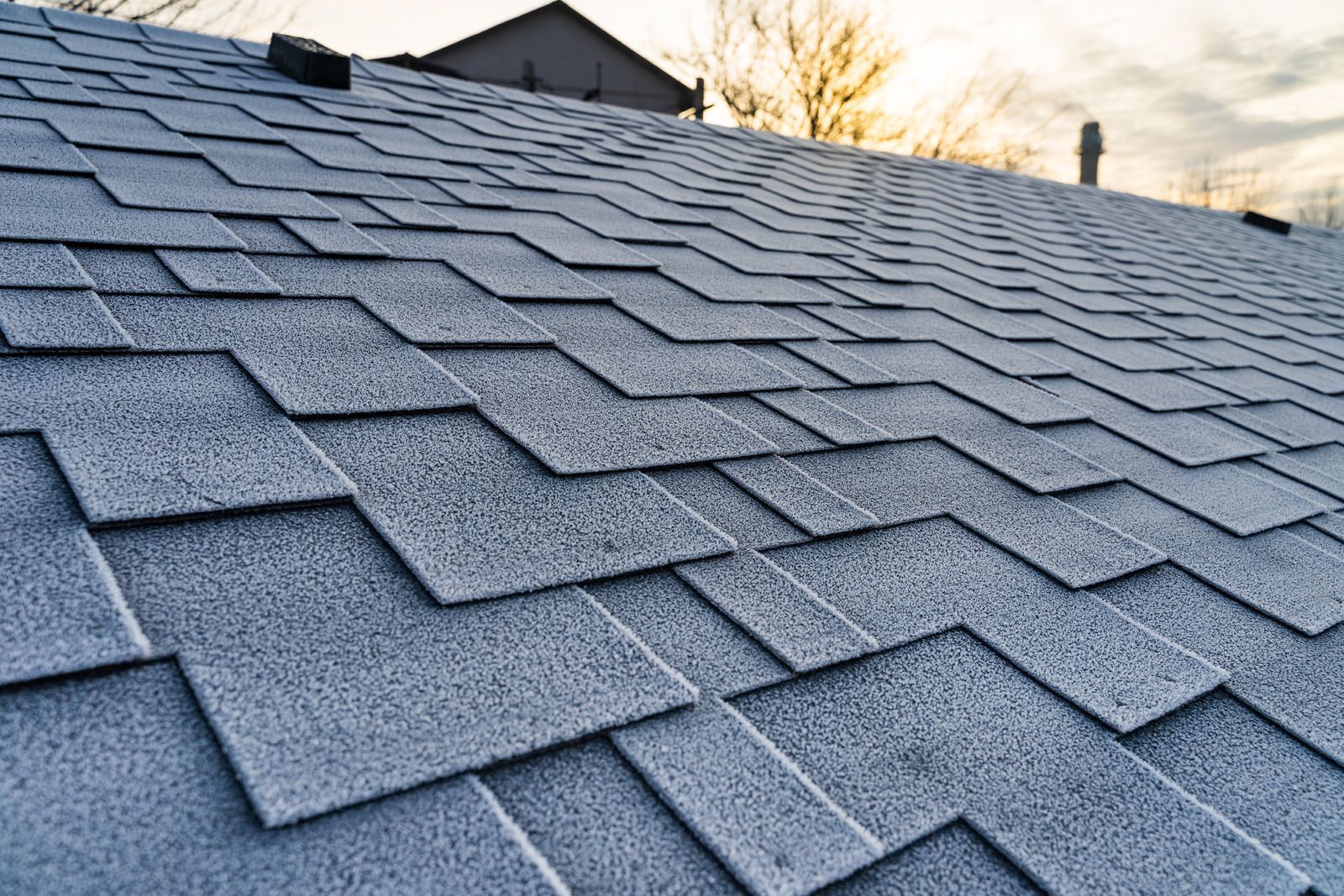
Start by examining your roof from the ground using binoculars or a digital camera. Look carefully for missing, curled, or cracked shingles, damaged flashing around chimneys or vents, and signs of moss, algae, or mildew growth. These issues may seem minor initially but can quickly worsen during heavy rainfall, strong winds, or hailstorms. Identifying weak spots early allows for timely repairs that could prevent leaks, structural damage, and potential interior water intrusion.
Safety Precautions for Roof Access
If you plan to inspect your roof up close, safety should always be your top priority. Use a sturdy ladder placed on stable ground, wear non-slip shoes, and consider a safety harness if the roof is steep or slick. Avoid inspections during wet, icy, or windy conditions to prevent accidents. While DIY inspections can be useful, hiring a professional roofing contractor provides a thorough assessment, including areas that are difficult, unsafe, or impossible to reach.
Professional Roof Evaluation
Experienced roofing contractors can identify underlying problems that may not be visible to an untrained eye, such as weakened decking, water infiltration, or compromised underlayment beneath shingles. A professional inspection before storm season ensures your roof meets current safety standards and significantly reduces the risk of unexpected failures during severe weather events or prolonged rainstorms.
2. Repair and Replace Damaged Materials
Shingle and Tile Replacement
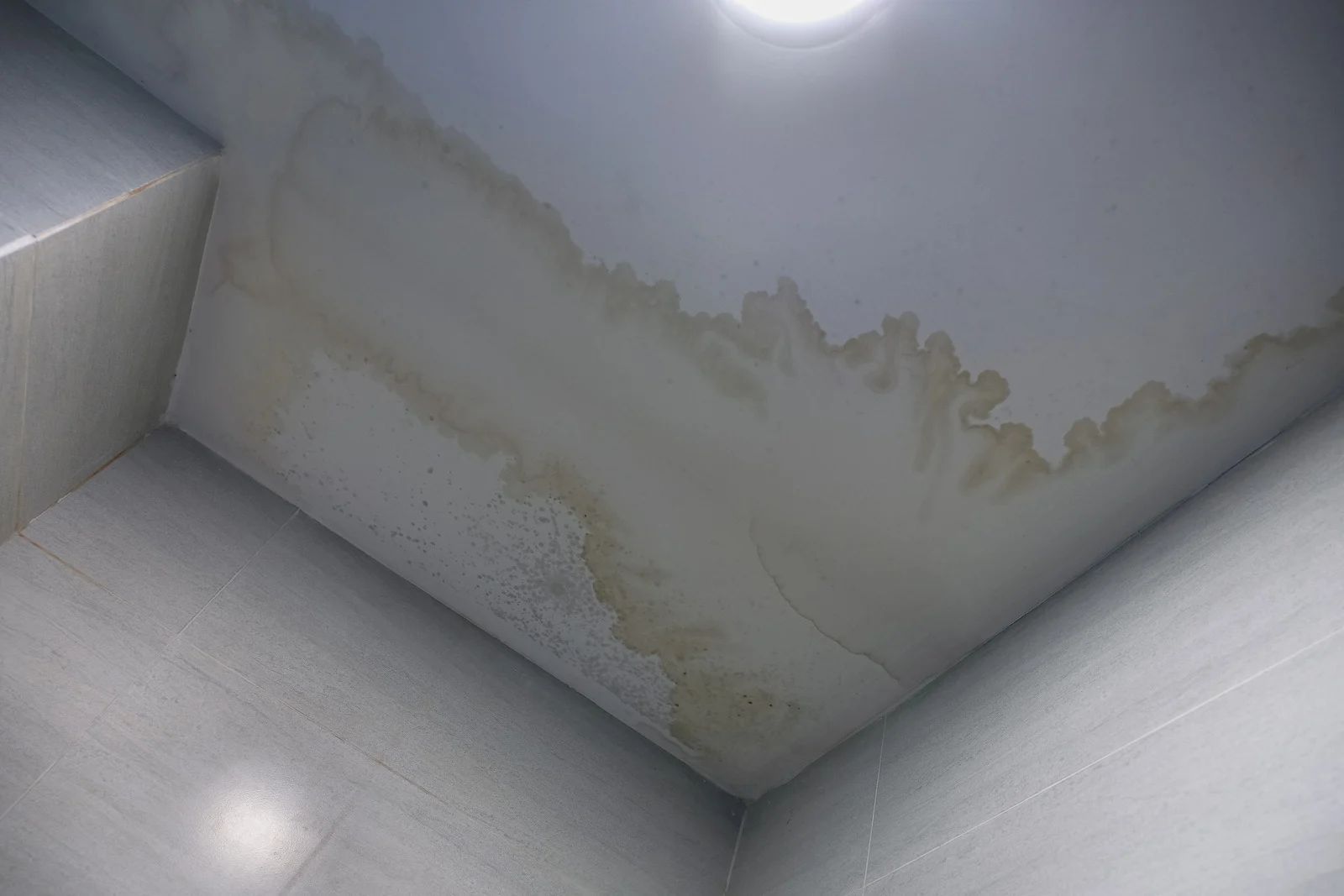
Damaged shingles or tiles compromise your roof’s protective barrier and overall performance. Missing, broken, or curled shingles allow water to penetrate the underlayment, leading to leaks, mold growth, and long-term structural damage. Replace any damaged shingles before storm season to maintain your roof’s full integrity and protect your home from costly repairs. For tile roofs, ensure cracked, chipped, or displaced tiles are properly secured or replaced to prevent them from becoming hazardous projectiles in high winds.
Flashing and Sealant Maintenance
Flashing around chimneys, skylights, vents, and roof edges directs water away from vulnerable areas of your home. Damaged, loose, or rusted flashing can result in water leaks during heavy storms. Inspect flashing for cracks, gaps, or rust and reseal or replace it as needed. Additionally, check roof sealants and caulking thoroughly to ensure all seams are fully watertight and capable of withstanding prolonged rainfall.
Roof Underlayment Considerations
Underlayment acts as an essential layer of protection against moisture, wind-driven rain, and ice dams. Over time, underlayment may deteriorate, become exposed, or fail due to missing or damaged shingles. Ensuring that your roof underlayment is intact, properly installed, or replaced as part of a preventive strategy greatly enhances the roof’s resistance to heavy rain, wind-driven water infiltration, and other environmental stressors.
3. Gutter and Drainage System Preparation
Cleaning and Unclogging
Clogged gutters and downspouts prevent proper water drainage, causing overflow that can damage siding, foundation, landscaping, and even interior areas. Remove leaves, twigs, debris, and any obstructions from gutters before storm season begins. Consider using a leaf blower, garden hose, or specialized gutter cleaning tools to ensure all channels are completely clear and able to handle sudden heavy rainfall efficiently.
Securing Gutters
Loose or improperly attached gutters can detach or sag under heavy rainfall, snow, or strong wind. Inspect all brackets, hangers, and fasteners, and tighten, replace, or reinforce them as needed. Properly secured gutters help maintain consistent water flow and prevent the roof edge from becoming waterlogged, which can lead to rot, leaks, and potential fascia damage over time.
Downspout Extension and Water Redirection
Ensure downspouts direct water at least three to six feet away from your home’s foundation. Adding extensions, splash blocks, or underground drains helps prevent soil erosion, basement flooding, and foundation damage. Effective water redirection reduces pressure on the roof and gutters during storms, protects structural integrity, and ensures that landscaping and exterior surfaces are not compromised during prolonged rainfall.
4. Trim Trees and Remove Debris
Overhanging Branches
Trees near your home pose a significant threat during storms. Branches can break under high winds, heavy snow, or ice accumulation, causing damage to your roof, siding, vehicles, or outdoor property. Trim any overhanging limbs at least ten feet away from your roof to minimize these risks. Additionally, assess trees for disease, decay, or structural weakness that could cause them to fall unexpectedly during storms.
Roof Debris Removal
Twigs, leaves, pine needles, and other debris on your roof can clog gutters, retain moisture, and accelerate wear on shingles and flashing. Remove accumulated debris regularly to prevent mold growth, algae formation, and water damage. Installing gutter guards or mesh screens can further reduce debris accumulation and maintain efficient water drainage during storm events.
Preparing for Fallen Tree Damage
Despite all preventive measures, some storms may still cause tree-related roof damage. Ensure your insurance policy covers storm-related roof damage, and have a plan for quickly removing fallen trees, branches, or other debris. Prompt removal minimizes secondary damage to your home’s interior, exterior, and landscaping, protecting your property and reducing costly repairs.
5. Strengthen Roof Against High Winds
Roof Strapping and Reinforcement
Homes in regions prone to high winds, hurricanes, or tornadoes benefit from additional reinforcement such as roof strapping, hurricane ties, or metal clips. These structural enhancements secure the roof to the walls and framing, reducing the risk of roof uplift or detachment during strong storms. Retrofitting older homes with these reinforcements is a proactive step that can prevent catastrophic damage during extreme weather events.
Wind-Resistant Roofing Materials
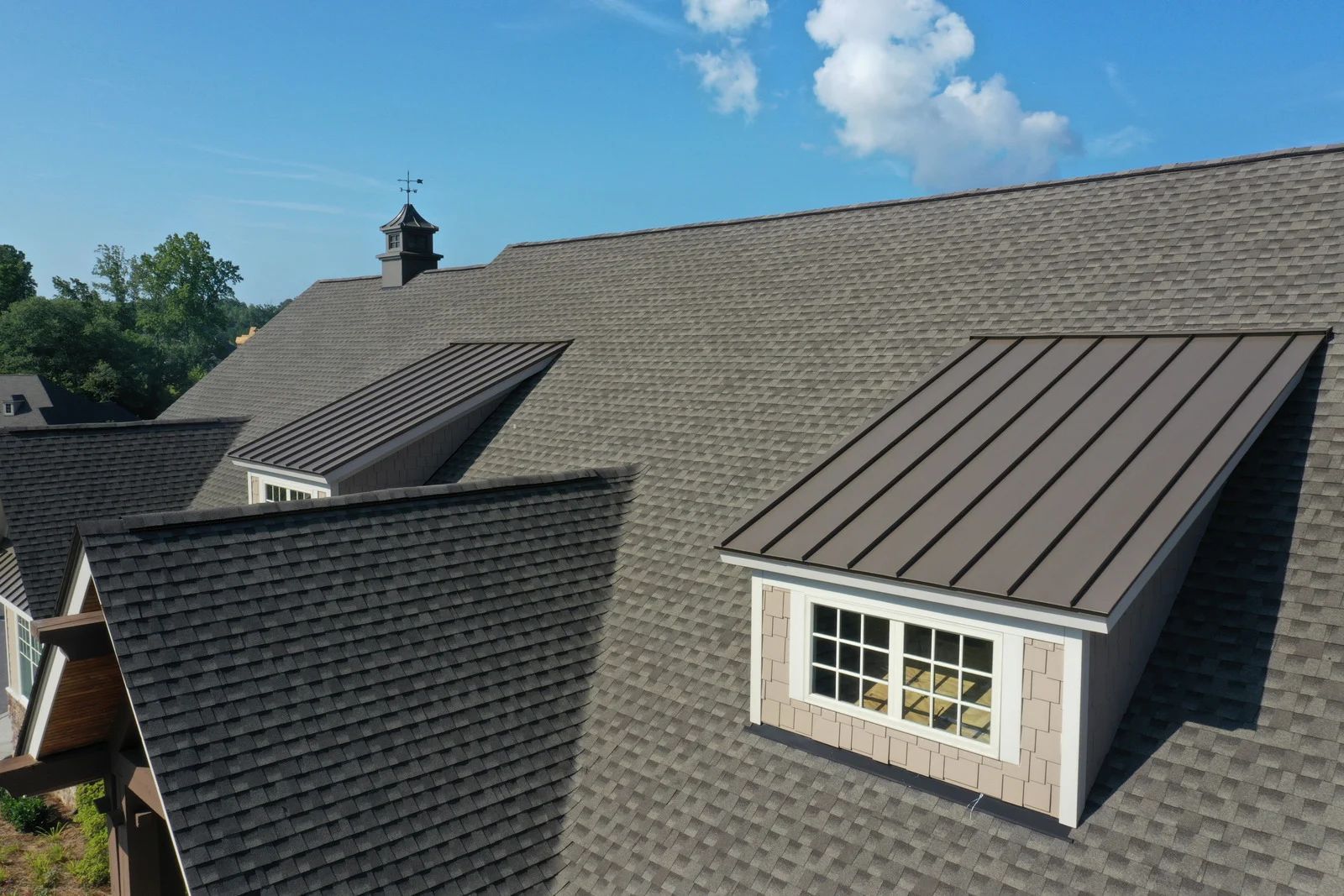
Consider upgrading to impact- and wind-resistant shingles or tiles if your roof is due for replacement. Roofing materials rated for high wind resistance can withstand gusts over 100 mph, reducing the likelihood of shingle loss, water infiltration, or structural compromise. Synthetic or architectural shingles often provide superior durability and performance compared to standard asphalt shingles in extreme conditions.
Securing Roof Fixtures
Check that all roof fixtures, including satellite dishes, antennas, solar panels, and vent caps, are securely anchored and fastened. Loose fixtures can become dangerous projectiles during storms, potentially damaging your roof, neighboring properties, or vehicles. Reinforcing these elements not only minimizes hazards but also preserves the roof’s overall integrity during severe weather events.
6. Emergency Preparedness and Insurance Review
Creating a Roof Emergency Plan
Storm season preparedness goes beyond physical maintenance and repairs. Establish a clear roof emergency plan that includes whom to call, where to store temporary tarps, and how to safely inspect damage after a storm. Having an organized plan ensures quick action, reduces stress, and minimizes the impact of unexpected damage to your home and family.
Insurance Policy Review
Before storm season begins, carefully review your homeowner’s insurance policy to ensure coverage is adequate for roof damage caused by wind, hail, or fallen trees. Document your roof’s current condition with detailed photos and maintenance records to streamline the claims process if damage occurs. Understanding policy limits, deductibles, and exclusions prevents costly surprises during recovery efforts.
Temporary Protection Measures
Keep essential items such as heavy-duty tarps, roofing nails, waterproof sealants, and plywood on hand for temporary repairs in case of minor leaks or damage during a storm. While these measures are not a substitute for professional repair, they provide immediate protection and minimize further water intrusion until experienced contractors can address the damage properly.
Professional Storm-Prepared Roofing Services You Can Trust
For over 22
years, J & R Roofing
in Layton, Utah, has been helping homeowners prepare their roofs for the challenges of storm season. Our experienced team conducts thorough inspections, identifies potential risks, and provides expert repairs and reinforcements to ensure your roof is resilient against harsh weather. With a commitment to quality workmanship, personalized service, and decades of hands-on experience, we guide homeowners through every stage of storm preparedness. Whether it’s
routine maintenance, emergency repairs, or full roof upgrades, J & R Roofing
delivers reliable solutions that protect your home and family. Choosing a trusted, local roofing company ensures peace of mind, professional guidance, and lasting results during storm season and beyond.