Why Asphalt Shingles Are Still the Go-To Roof, and What Makes a Good One
Quick Answer: Asphalt shingles are the most popular roofing for good reasons: they balance affordability, proven performance, a wide range of looks, and reliable weather protection better than most options. But not all shingle roofs are equal. What separates a good one from a cheap one is the whole system: quality shingles plus proper underlayment, flashing, ventilation, and correct installation, not just the shingles themselves. A well-installed asphalt shingle roof lasts for years and handles tough weather; a poorly installed one fails early no matter how good the shingles looked.
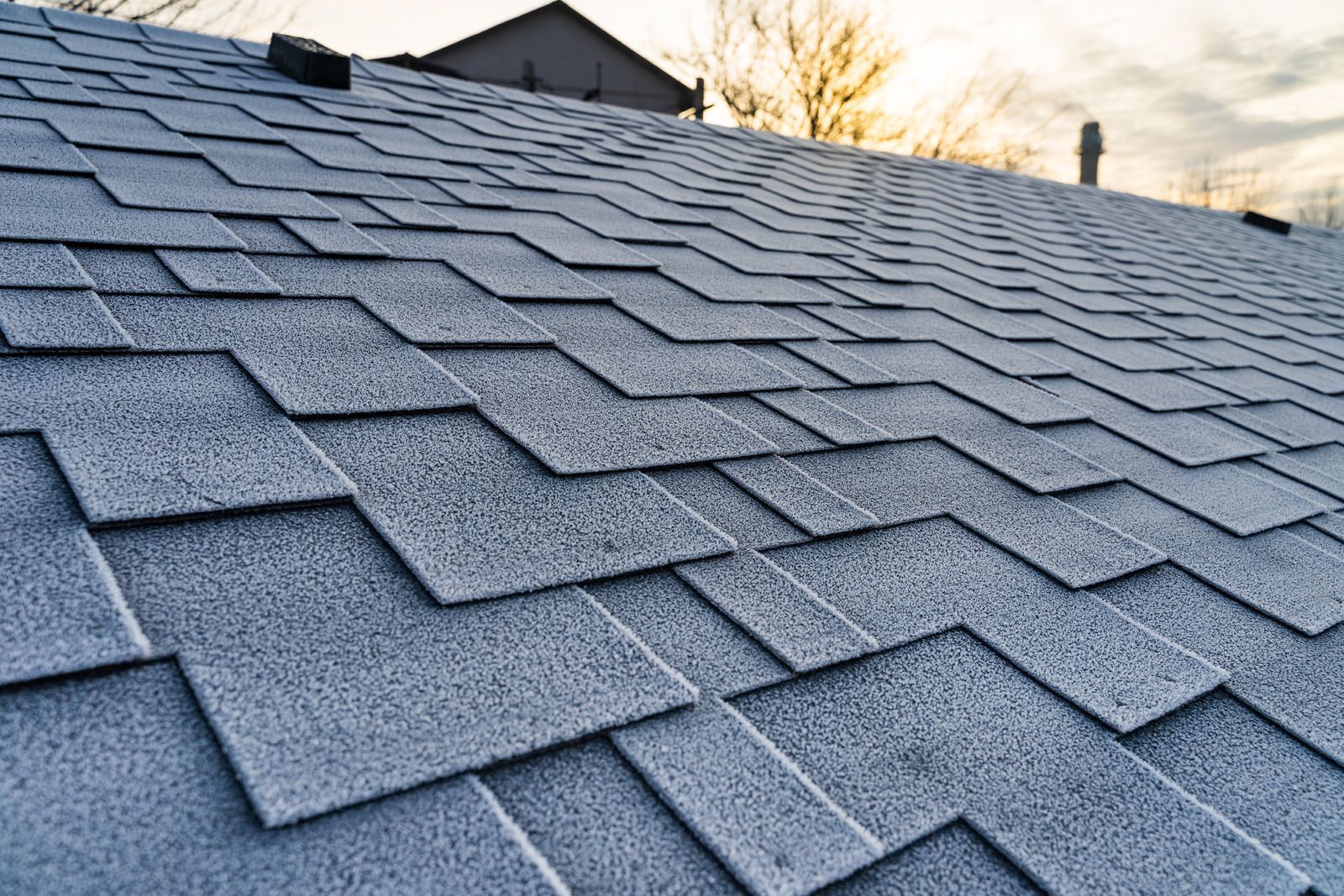
When it is time for a new roof, asphalt shingles are almost always in the conversation, and for most homes they end up being the choice. They are by far the most common roofing material on houses, and that popularity is not an accident. But "asphalt shingles" covers a lot of ground, from bargain roofs that fail early to quality systems that protect a home for decades, and the difference is not always obvious from the curb.
That is what is worth understanding before you re-roof: why asphalt shingles remain the go-to choice, and just as importantly, what actually separates a good shingle roof from a cheap one. Because here is the thing most homeowners do not realize: a shingle roof is a system, and the shingles are only part of it. How that system is built and installed determines whether your roof lasts and keeps water out, especially through northern Utah's snow, ice, canyon wind, and freeze-thaw. Here is what makes asphalt shingles a smart choice, and what makes a shingle roof a good one.
Why Asphalt Shingles Stay the Popular Choice
Asphalt shingles dominate residential roofing because they hit a balance that is hard to beat, and understanding that balance shows why they are so often the right call.
Proven, reliable performance. Asphalt shingles have a long track record of protecting homes well. They shed water, handle the elements, and do the core job of a roof dependably. They are a known, trusted quantity.
Value
Shingles deliver solid protection and longevity at a cost that works for most homeowners, which is a big part of why they are so widely chosen. You get a lot of roof for the investment.
Variety of looks
Asphalt shingles come in a wide range of colors and styles, including architectural (dimensional) shingles that add depth and a more upscale look. You can get a roof that suits your home's style without leaving the shingle category.
Versatility
They work on a wide range of roof shapes and slopes common on homes, which is part of why they fit so many houses.
Repairable and practical
When damage happens, shingle roofs are generally simpler to repair than many other roofing types, and replacing damaged shingles is well-understood work.
So the appeal is real: asphalt shingles offer proven protection, good value, plenty of looks, and practicality. For the majority of homes, that combination is exactly why they are the default, and usually the smart, choice. They are popular because they work for most people.
The Part People Miss: It's a System, Not Just Shingles
Here is what separates homeowners who are happy with their roof for decades from those who are calling about leaks in a few years: understanding that a shingle roof is a complete system, and the shingles are only the visible top layer.
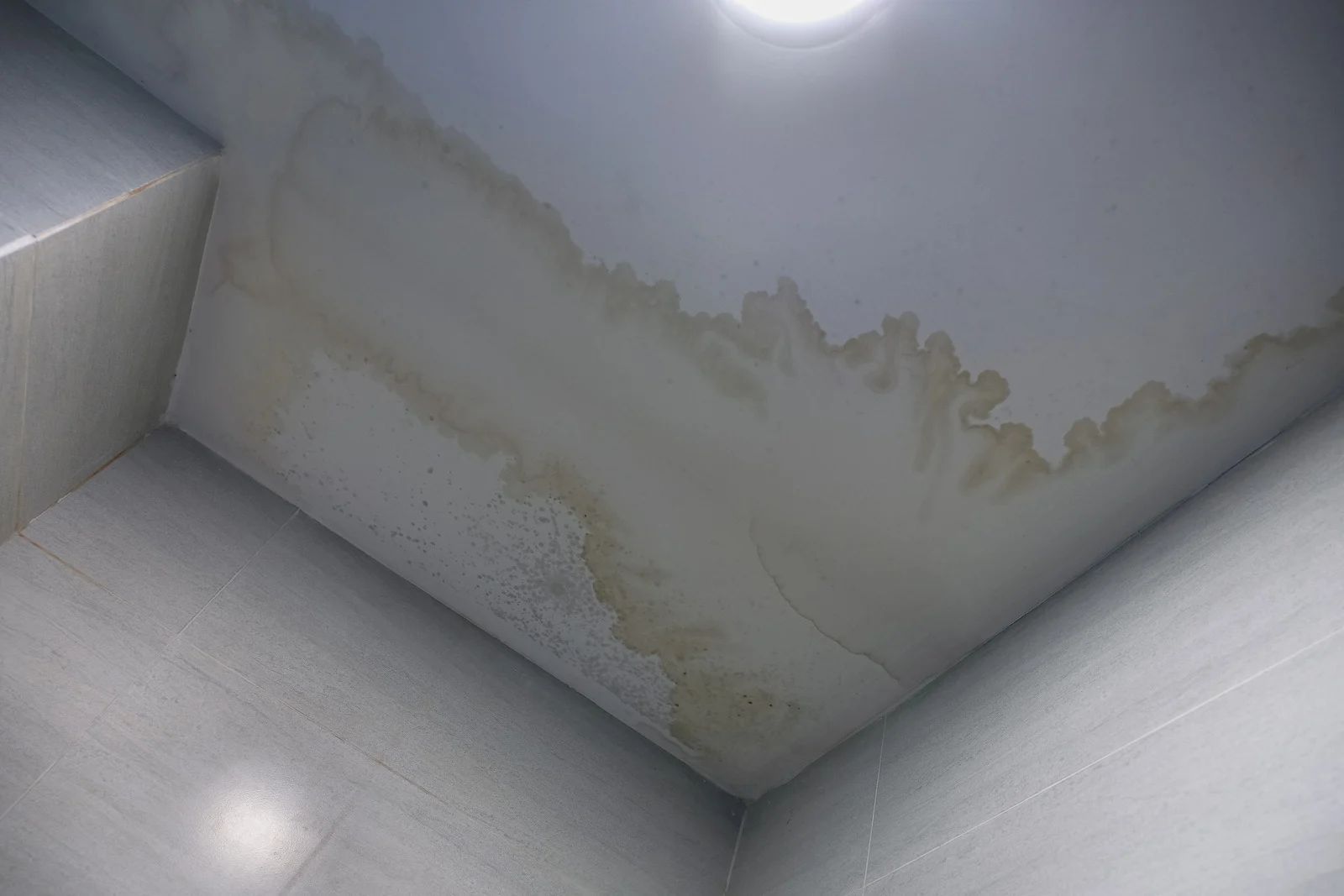
Underneath and around those shingles is everything that actually keeps water out and the roof sound: the underlayment (the water-resistant layer over the roof deck), the flashing (the metal that seals around chimneys, valleys, vents, and walls), proper ventilation, the drip edge, ice-and-water protection at vulnerable areas, and the sound roof deck it all attaches to. These components do a huge share of the work, and most roof leaks trace not to the shingles failing but to flashing, underlayment, or detailing that was done poorly.
This is why two roofs with the same shingles can perform completely differently. A roof where the whole system is quality and correctly installed protects the home for the shingles' full life. A roof where someone slapped shingles over inadequate underlayment, reused old flashing, skipped ventilation, or rushed the details can leak and fail early, even though the shingles themselves looked fine on day one. So when you are evaluating a shingle roof, the shingles are just the start; the system and the installation are what you are really buying.
Tip: When comparing roofing options or contractors, ask what's included in the system, not just which shingles. What underlayment is used? How is the flashing handled at chimneys, valleys, and walls, new or reused? Is ice-and-water protection included where it's needed? How is ventilation addressed? The answers tell you far more about how the roof will perform than the shingle brand alone. A good roofer talks about the whole system; a cut-rate one talks only about the shingles and the price.
What Makes a Good Shingle Roof in Tough Weather
Northern Utah asks a lot of a roof: snow load, ice dams, intense dry sun, canyon wind, and constant freeze-thaw, and a good asphalt shingle roof is built with those conditions in mind. This is where quality and proper installation really earn their keep.
Quality shingles that handle the climate
Better shingles stand up to UV, temperature swings, and wind better than bargain ones, resisting the cracking, curling, and granule loss that age a roof. Architectural shingles, in particular, are often more durable and wind-resistant than basic three-tab shingles.
Ice-and-water and proper underlayment
In a climate with snow and ice dams, ice-and-water protection at the eaves and vulnerable areas, and quality underlayment, are what keep backed-up meltwater from getting into the roof. This detailing matters enormously here.
Flashing done right
The flashing at chimneys, valleys, vents, and walls is where roofs most often leak, so proper, correctly installed flashing is central to a roof that stays watertight through the wet and freeze-thaw cycles.
Proper ventilation
Good attic ventilation helps the roof and the home perform, contributes to managing ice dams, and helps the shingles last by keeping the roof from overheating. It is an easy thing to skimp on and a real factor in roof life.
Correct installation
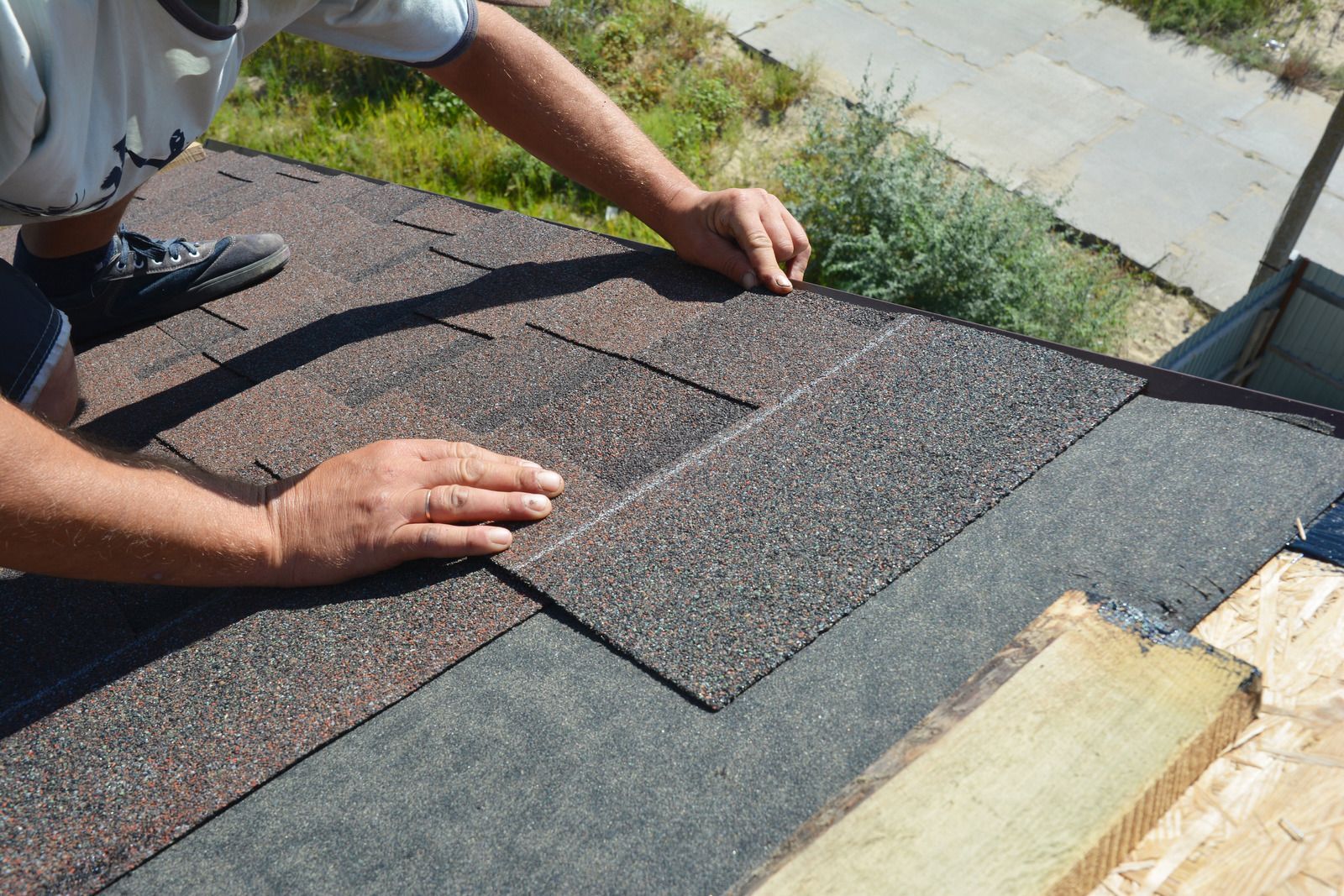
Even the best materials fail if installed poorly, wrong nailing, bad detailing, skipped steps. Proper installation by an experienced roofer is what brings all the materials together into a roof that actually performs.
The takeaway is that a good shingle roof in this climate is the sum of quality materials and skilled installation, designed for the snow, ice, sun, and wind it will face. That is what delivers the long, dependable life asphalt shingles are capable of, and what a cheap roof skips.
Warning: Be wary of a roofing quote that's notably cheap, it's often cheap because the system is being cut. Reused or minimal flashing, skipping ice-and-water protection, thin underlayment, ignored ventilation, or rushed installation can all hide behind a low price and a fresh-looking shingle surface, then show up as leaks and early failure within a few years. With a roof, the shingles you see are the easy part; the system you don't see is where corners get cut. Judge a roof, and a roofer, on the whole system, not the lowest number.
Frequently Asked Questions
Why are asphalt shingles so popular?
Because they balance proven performance, value, a wide range of looks, and versatility better than most roofing materials. They reliably shed water and handle the elements, cost less than many alternatives while lasting for years, come in many colors and styles (including architectural shingles), fit most roof shapes, and are practical to repair. For the majority of homes, that combination makes them the smart default.
Are all asphalt shingle roofs basically the same?
No, and that's the key thing to understand. A shingle roof is a system, the shingles plus underlayment, flashing, ventilation, drip edge, ice-and-water protection, and the roof deck. Two roofs with identical shingles can perform completely differently depending on the quality of those other components and the installation. The shingles are just the visible top layer of what makes a roof work.
What actually causes most shingle roofs to leak?
More often than not, it's not the shingles themselves but the flashing, underlayment, or detailing. Flashing around chimneys, valleys, vents, and walls is where roofs most commonly leak, and poor or reused flashing, inadequate underlayment, or skipped ice-and-water protection are frequent culprits. That's why the system and installation matter as much as, or more than, the shingle itself.
What's the difference between three-tab and architectural shingles?
Three-tab shingles are the basic, flat, single-layer style. Architectural (or dimensional) shingles are thicker, layered shingles that add depth and a more upscale look, and they're often more durable and more wind-resistant. Many homeowners choose architectural shingles for the better appearance and performance, though the right choice depends on your home and goals.
Why does installation matter so much?
Because even the best materials fail if they're installed poorly. Incorrect nailing, bad flashing detail, skipped ice-and-water protection, or ignored ventilation will cause a roof to leak or fail early no matter how good the shingles are. Proper installation by an experienced roofer is what brings quality materials together into a roof that actually performs, which is why who installs it is as important as what's installed.
How do asphalt shingles hold up to snow, ice, and Utah weather?
A quality, properly installed shingle roof handles them well, but the climate-specific details are what make the difference: ice-and-water protection and good underlayment against ice dams and meltwater, solid flashing for the wet and freeze-thaw, durable shingles for the UV and wind, and proper ventilation. A roof built with those in mind performs for years here; one that skips them struggles with exactly these conditions.
How do I know if I'm getting a good shingle roof?
Look at the whole system, not just the shingle brand or the price. Ask what underlayment and ice-and-water protection are included, how flashing is handled (new, not reused), how ventilation is addressed, and who's doing the installation. A good roofer explains the full system; a cut-rate quote tends to focus only on shingles and a low number while quietly skipping the parts that keep water out.
A Roof That's More Than Its Shingles
Asphalt shingles remain the go-to roofing for most homes because they deliver proven protection, real value, plenty of looks, and practicality, a balance that is tough to beat. But the lesson worth carrying into a re-roof is that the shingles are only the visible part of a complete system. What truly determines whether your roof lasts and stays watertight, especially through northern Utah's snow, ice, sun, and wind, is the quality of the underlayment, flashing, ventilation, and the installation behind those shingles. Choose a good shingle and a good system, installed right, and an asphalt shingle roof will protect your home dependably for years.
Get an asphalt shingle roof built as a complete system, not just shingles — Asphalt shingles are a smart choice for most homes, but a roof's life comes down to the underlayment, flashing, ventilation, and installation you don't see, exactly where cheap roofs cut corners and leaks start. With 22
years of experience, J & R Roofing
provides
asphalt shingle roof installation
for homeowners throughout Layton, Utah, building complete roofing systems designed to withstand northern Utah's snow, ice, sun, and wind. Reach out for a roofing assessment and an honest look at your options.