Ceiling Stain Showing Up Only When Snow Melts? Why It Points to Ice Dams
Quick Answer: A ceiling stain that only shows up during a thaw, and stays dry the rest of the year, almost always traces back to an ice dam rather than a failed roof covering. Snow on the upper roof melts from attic heat below, runs down to the cold eave, and refreezes into a ridge of ice. Meltwater then backs up behind that ridge, works under the shingles, and travels along the deck until it finds a gap and drips through the ceiling below, but only while snow is actively melting above it. Patching the ceiling or resealing the roof surface won't stop the pattern, because the water is entering somewhere upstream. Lasting repair means correcting the attic conditions that let the roof deck stay warm, plus reinforcing the eave against water intrusion.
You've probably already noticed the pattern: no stain shows up during a hard summer downpour, none appears after a windy fall rain, but the same brown ring reappears on the ceiling every time a heavy snow starts to melt. That timing is the clue. A roof leak tied to rainfall shows up whenever it rains. A stain tied to snowmelt is telling you something else is happening above your ceiling. Once you understand what, the fix stops being a guessing game.
The Telltale Pattern: Why Timing Rules Out a Simple Leak
Most roof leaks are indifferent to the calendar. A cracked shingle, failed flashing, or worn pipe boot lets water through whenever water hits that spot, rain or snowmelt alike. A stain that only appears during or right after a thaw, and never during a summer storm, is behaving differently, and that difference is diagnostic.
What separates snowmelt-only staining from a standard leak is that it depends on a process, not just precipitation. Rain falls and either gets shed or gets in immediately. Snow, by contrast, sits on the roof and only becomes a problem once conditions allow it to melt and refreeze in a specific sequence. If your stain grows during a cold snap that follows a big snowfall, then dries up and stops spreading once the snow is gone or a deep freeze locks everything solid, you're watching that sequence play out in real time on your ceiling drywall.
There's a second tell worth checking. Walk your roofline after the next snow and look at where the stain sits relative to the exterior wall below it. Ice-dam water often enters well above where the stain finally shows up inside, because it travels along the underside of the deck and down the top of the ceiling drywall before finding a seam, a light fixture, or a low spot to drip through. If the interior stain doesn't line up directly under an obvious roof flaw, that's consistent with water entering at the eave and migrating before it appears.
What's Actually Happening Above That Ceiling
The mechanism behind a snowmelt-only stain starts with heat, not water. Warm air from the living space rises into the attic through gaps around recessed lighting, the attic hatch, plumbing stacks, wiring penetrations, and bathroom fan ducts. That escaped heat warms the underside of the roof deck on the main slope. Snow sitting on that warmer section melts from the bottom up, even while the air temperature outside stays well below freezing.
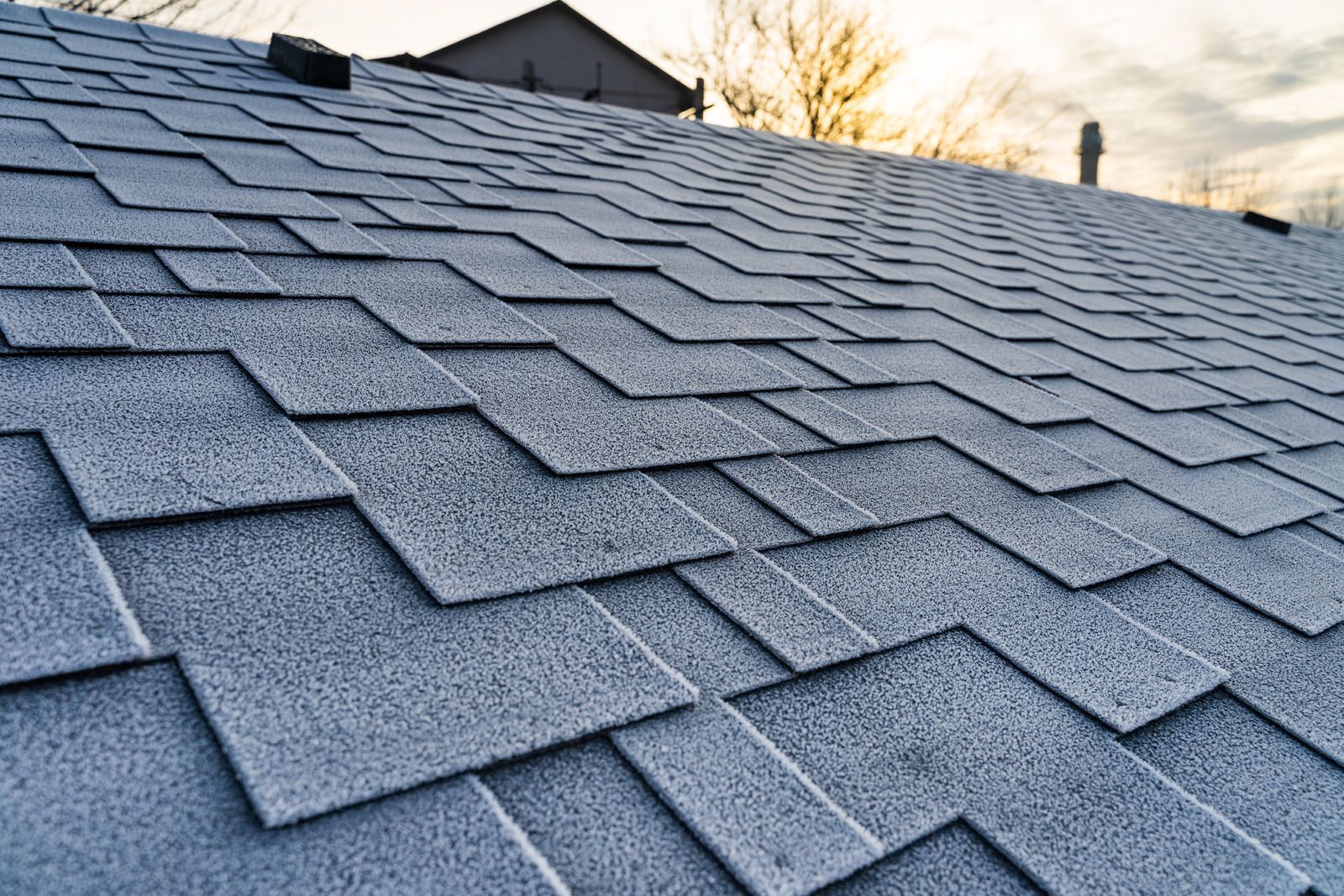
The meltwater runs downhill toward the eaves. Those overhanging sections sit beyond the heated part of the house, so they stay at the outdoor temperature, and the water refreezes there into a ridge of ice. That ridge is the ice dam, and it keeps growing with every melt cycle. Once it's established, new meltwater coming down the warm roof has nowhere to go. It pools behind the ice instead of draining off the edge, and shingles were never built to hold back standing water; they're designed to shed water flowing downhill.
Under that kind of pressure, water works its way up and under the shingle edges, through nail holes, and into the underlayment and deck. From there, gravity and the slope of the roof carry it wherever it can travel. Sometimes that's several feet along the top of the ceiling drywall or insulation before it finally drips through a seam, a fixture, or a soft spot. That's why a stain can show up a room away from where the dam is actually sitting, and why the drip only happens on the warm side of a freeze-thaw cycle, when meltwater is moving and there's an ice ridge behind it holding the water back.
Tip: Take a photo of the stain's shape and size right after you first notice it, and another after the next thaw. If the stain grows again with the following melt, you're confirming the pattern rather than watching one-time water damage dry out. That record is also useful information to hand a roofer, since it narrows down which section of eave and attic to inspect first.
Ruling Out the Other Usual Suspects
Ceiling stains have more than one possible cause, and it's worth a quick gut check before assuming ice dam every time. Condensation drips from a poorly vented bath fan tend to show up in a small, consistent spot near the fixture regardless of season. A slow plumbing leak from a bathroom above generally shows up on its own schedule, unrelated to weather, and often comes with a musty smell or warped flooring nearby. A failed flashing seal or a cracked shingle usually leaks with any hard rain, not just snowmelt.
What sets an ice-dam stain apart is the tight correlation with thaw cycles specifically, showing up during or right after snow melts, staying dry through rain events the rest of the year, and often appearing near an eave, valley, or a section of roof that holds snow longer than the rest of the house. If your pattern matches that description, the roof covering itself is probably fine. The issue is upstream, in how the roof and attic are managing heat and meltwater together.
Why Patching the Ceiling Never Fixes It
It's tempting to treat the visible symptom, repaint the ceiling, run a bead of caulk where the drip shows up, and call it handled. That approach addresses the spot where water finally became visible, not the place it got in or the reason it got in at all. The water traveled from the eave, through the shingles and deck, along the drywall backside, before it ever reached the paint you're touching up. Cosmetic repairs leave that entire path untouched, so the next snow and thaw sends water down the same route and the stain comes back, often in the same spot or a new one nearby if the water finds a different seam.
The root cause sits in the attic, in whichever combination of air leakage, thin insulation, and weak ventilation is letting the roof deck run warmer than the outside air. Until that's corrected, the roof will keep producing meltwater on the upper slope during cold, sunny stretches, and the eave will keep freezing it into a dam that traps the next round of water. Reroofing without touching the attic conditions can still leave you with recurring stains, just on a roof with a new ice-and-water membrane doing its best to hold the line at the edge.
What a Proper Fix Actually Involves
Confirming and correcting a snowmelt-driven ceiling stain usually starts with locating exactly where water is entering, since the stain's location and the entry point are often two different places. Moisture meters and thermal imaging can trace dampness through the deck and insulation back toward the eave or valley where the ice dam is forming, rather than guessing based on where the drip shows up indoors.
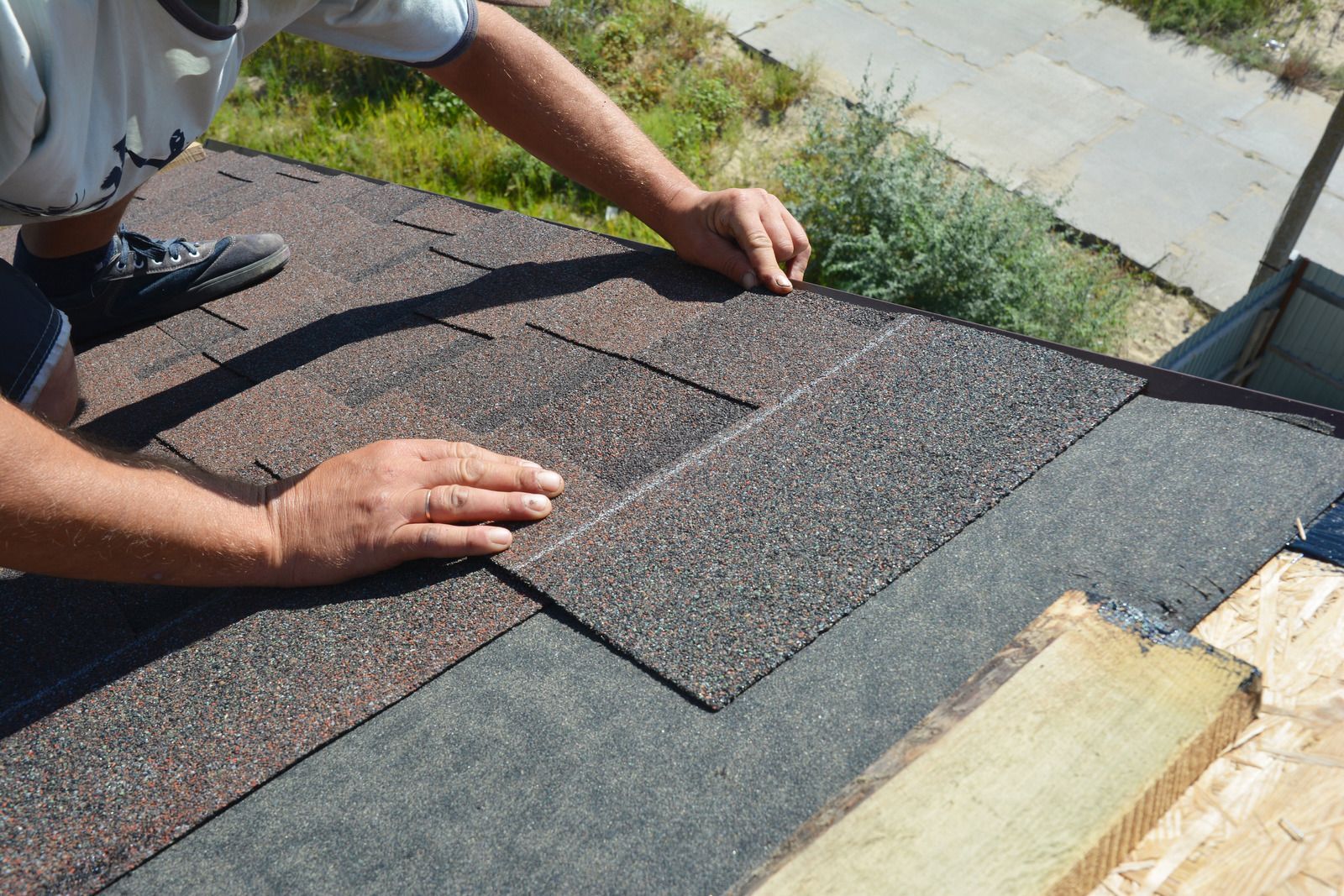
From there, the repair generally addresses two layers. At the roof itself, whatever decking and flashing got soaked or corroded around the affected eave or valley gets replaced, and an ice-and-water membrane goes in along the eave to give that section a sealed barrier. A future dam is far less likely to force water through it. In the attic, sealing the air leaks that let heat escape, bringing insulation up to an even, adequate depth, and restoring balanced soffit-to-ridge ventilation keep the roof deck closer to outdoor temperature, which is what stops the melt-and-refreeze cycle from forming a dam in the first place.
Warning: Resist the urge to go up on a snow-covered or icy roof to inspect the stain's source yourself, and don't chip at ice ridges with a hatchet, pick, or shovel blade. A roof surface under snow hides its slope and edges, falls from height are common in exactly these conditions, and hacking at ice tends to crack shingles or puncture the deck, turning one leak into several. If water is actively coming through the ceiling, contain it with a bucket and towels and leave the roof itself to someone working from proper fall protection.
Frequently Asked Questions
Why does my ceiling only leak when the snow melts, not when it rains?
Rain reaches the roof and either sheds off or gets in right away. Snowmelt leaks depend on a slower process: heat escaping into the attic melts snow on the upper roof, that water refreezes at the cold eave into a dam, and only then does trapped meltwater get forced under the shingles. No melt cycle, no trapped water, no stain, which is exactly why a hard summer rain doesn't reproduce the leak.
Does the stain always appear directly below where the water gets in?
Not necessarily. Water often enters near the eave, then travels along the top of the ceiling drywall or insulation before finding a seam, fixture, or low point to drip through. The visible stain can be a few feet from the actual entry point, which is why tracing the path usually takes more than looking straight up from the stain.
Could this just be condensation from a bathroom fan instead of an ice dam?
It's worth ruling out, but condensation drips are typically tied to fixture use, not to weather, and tend to stay in a small area near the fixture year-round. A stain that specifically tracks with snow-then-thaw weather and stays dry through rainy stretches points toward ice-dam water rather than fan condensation.
If I have the ceiling repainted, will that stop the leak from coming back?
No. Repainting addresses where the water became visible, not where it entered or the attic conditions causing it. Without correcting the heat loss and refreeze cycle upstream, the same path stays open and the stain typically returns with the next heavy melt.
Will a new roof by itself stop the stain from coming back?
A new roof with a properly installed ice-and-water membrane at the eave adds real protection, but if the attic still loses heat through poor insulation or sealing, dams can still form on top of that membrane. Pairing the roof work with attic air sealing, insulation, and ventilation is what actually closes out the cycle.
How fast can this kind of leak cause real damage?
Faster than most homeowners expect. Once an ice dam is holding back meltwater, that water sits against the roof edge continuously during the thaw, working under the shingles the whole time. A multi-day melt following a big snowfall can push enough water into the deck and ceiling to leave a visible stain within that single event.
Understanding the Real Cause Behind Winter Ceiling Stains
For homeowners throughout Layton, Utah, recognizing that a ceiling stain appears only during snowmelt can prevent unnecessary repairs and repeated frustration. Instead of assuming the roof covering has failed, the pattern usually points toward attic heat loss and ice dam formation working together. With 22 years of experience, J & R Roofing understands how roofing systems, insulation, and ventilation interact, making it easier to identify the true source rather than focusing only on the visible water damage.
Once the relationship between snowmelt, attic conditions, and ice dams is understood, the recurring stain becomes a valuable diagnostic clue instead of a mystery. Addressing the underlying causes helps protect the roof structure, insulation, and interior finishes from repeated moisture exposure while reducing the likelihood of the same seasonal problem returning. A complete evaluation of both the roof and attic provides a clearer picture of how the entire system performs through changing winter conditions.