Shingles Cracking and Curling in the Dry Utah Sun? Why UV Ages Them Fast
Quick Answer: Shingles crack and curl in Utah's sun because UV radiation breaks down the asphalt binder inside them, drying out the oils that keep it flexible until the material turns brittle and starts to shrink and lift. Layton and the rest of the Wasatch Front sit high enough, and dry enough, that this process runs faster than it would at sea level. Granule loss, color fading, and curling edges are the visible stages of that breakdown, and once shingles are brittle across a wide section of roof, patching individual spots stops being a lasting fix. A roofer checks how far the damage has spread and how flexible the shingles still are before recommending repair or full replacement.
Walk out to your driveway on a July afternoon and put your hand flat on the sidewalk. That heat you feel radiating back up is roughly what your roof deals with every clear day from May through September, except your shingles take it from above too, with nothing between them and the sun. If you've noticed the edges of your shingles turning up like potato chips, or you're finding gritty black sand in your gutters after a windstorm, your roof is showing its age faster than the calendar says it should. That's not bad luck. It's what years of intense, high-elevation sun does to asphalt.
What UV Actually Does to an Asphalt Shingle
Asphalt shingles are made from a fiberglass mat coated in asphalt and topped with mineral granules. That asphalt layer isn't inert. It contains oils and resins that keep it pliable, the same way oil keeps a rubber gasket from turning stiff. Ultraviolet radiation attacks those oils directly, breaking the chemical bonds that hold them together in a process roofers and material scientists call oxidation.
Once oxidation sets in, the asphalt starts losing those lighter compounds to evaporation. What's left behind is a drier, harder version of the same material, less like a flexible waterproof membrane and more like old, cracked leather. A shingle in that state can't flex with temperature swings anymore. It shrinks slightly as it dries, and that shrinkage is what pulls the edges up into a curl or opens hairline cracks across the surface.
Here's the part most homeowners don't expect: this isn't a slow, uniform fade. It's a feedback loop. The granules embedded in the shingle surface exist specifically to block UV light from reaching the asphalt underneath. When granules wear away or wash off, more raw asphalt gets exposed to direct sun, and the oxidation process underneath speeds up. A shingle with heavy granule loss ages several times faster than one with a full, intact granule coat, because the shield that was slowing the whole process down is gone.
Reading the Signs: What Sun-Damaged Shingles Look Like
You don't need to climb onto your own roof to catch most of this early. A pair of binoculars and a look at your gutters after a hard rain tell you a lot.
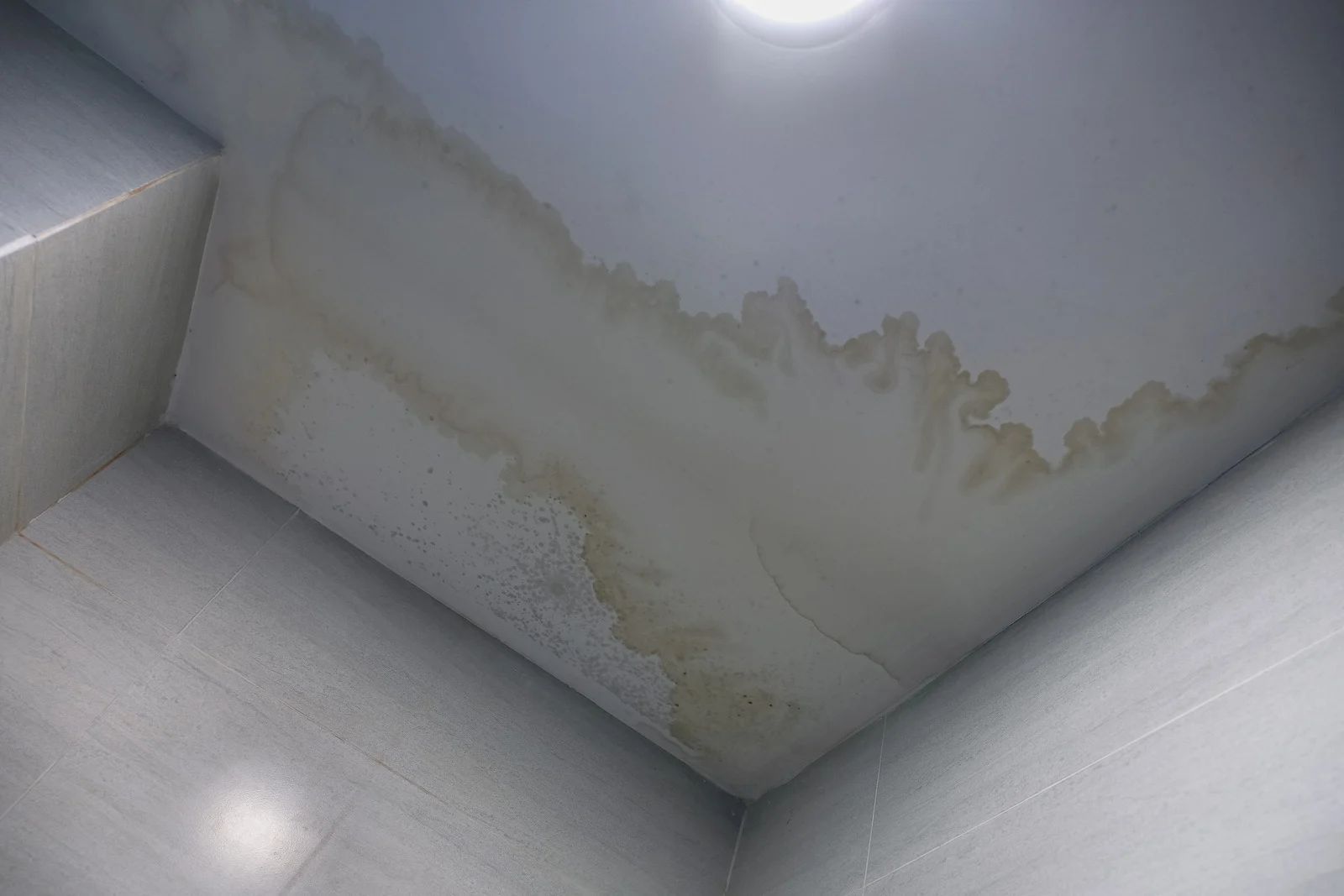
Granule loss shows up in the gutters first. Those small colored granules aren't just for looks, and as the asphalt underneath ages and loses its grip, they shed loose and wash down into your gutter system, especially after wind or heavy rain. A few granules is normal wear. A steady stream of them, or bald patches visible on the shingle surface itself, means the protective layer is thinning out. Fading follows close behind. A roof that's lost its rich, uniform color and looks chalky or washed out is telling you the same story, just further along, since those granules are the source of the color in the first place. Compare a section shaded by a tree or chimney to one that sits in full sun all day and the difference is usually obvious.
Curling is where it gets harder to ignore. Cupping is when the outer edges of a shingle turn upward, like a shallow bowl. Clawing runs the opposite way, with the center of the shingle lifting while the edges stay flat. Either pattern means the shingle no longer lies tight against the roof deck, so wind can work underneath it and water can find the lifted edge. Cracking is the last stop before it gets serious. Fine surface cracks that run across a shingle, sometimes in a pattern that looks almost like dried mud, mean the flexible oils are mostly gone. Press gently on a shingle in direct sun during a hot afternoon. If it feels stiff and doesn't give at all, that's brittleness talking, and it usually isn't limited to one shingle.
Tip: Check your roof's south and west-facing slopes first. Those get the longest, most direct sun exposure through the day, so cracking, curling, and granule loss almost always show up there before anywhere else on the house.
Why Northern Utah's Elevation and Dry Air Speed the Clock
Sun exposure alone would age any asphalt roof eventually. What makes Layton, Ogden, and the rest of the Wasatch Front tougher on shingles is the combination of elevation and dryness working together.
Layton sits at roughly 4,300 feet above sea level. UV intensity climbs as elevation increases, because there's less atmosphere overhead to filter it out before it reaches the ground. The difference isn't dramatic at any single moment, but it compounds day after day, year after year, on a material that's already vulnerable to UV in the first place. A shingle installed in Layton is absorbing meaningfully more ultraviolet radiation over its lifetime than the same shingle would at sea level, even accounting for identical weather otherwise.
Then there's the dry air. Asphalt needs a small amount of ambient moisture to stay flexible, and northern Utah's low humidity, particularly through the summer months, pulls that moisture out faster than it would in a more humid climate. Dry asphalt is stiffer asphalt, and stiffer asphalt cracks sooner under the same thermal stress.
Add in the daily temperature swing. A roof deck in Kaysville or Farmington can run well over 150 degrees on a July afternoon and drop 40 or 50 degrees after sunset. Every one of those cycles expands and contracts the shingle material slightly. On its own, that's manageable. Stacked on top of UV oxidation and low humidity, it's another mechanical stress pulling at material that's already lost some of its give. That's thermal cycling, and over a decade or two it shows up as exactly the fine cracking and curling described above.
None of this means Utah roofs are doomed to fail early. It means the sun here does more work on a shingle in ten years than it would somewhere cooler and wetter, which is exactly why the inspection and maintenance schedule matters more than the sticker on the shingle bundle.
What a Roofer Actually Looks For During an Inspection
A thorough inspection isn't just a glance from the ground. A roofer walks the surface directly, section by section, checking a handful of specific things that tell the real story of how far the sun damage has progressed.
Granule coverage comes first, since bald spots and thinning coats across different slopes, not just the obvious ones, show how unevenly the roof has aged. A shaded slope that still looks fresh next to a full-sun slope that's gone patchy is a useful clue about how much life the roof has left. From there it's a matter of feel. Gently bending a sample shingle, or checking how it responds to light pressure, shows whether the asphalt underneath still has some give or has gone fully brittle, and brittle shingles crack under foot traffic, hail, or even normal wind flex in a way that changes whether repair work will actually hold.
Curling gets read for pattern, not just presence. A few curled shingles near a vent pipe or chimney flashing might be a localized issue tied to that one spot. Curling spread evenly across the whole roof, especially on the sun-facing slopes, points to age-related breakdown instead of a one-off installation flaw. And because attic heat pushes shingle temperatures even higher from underneath, a roofer checks ventilation and insulation too, as part of understanding why the roof aged the way it did rather than just cataloging what shape it's in today.
Repair or Replace: How to Tell Which One Your Roof Needs
This is the question that actually matters once the inspection is done, and the honest answer depends on how widespread the damage is, not just how it looks from the driveway.
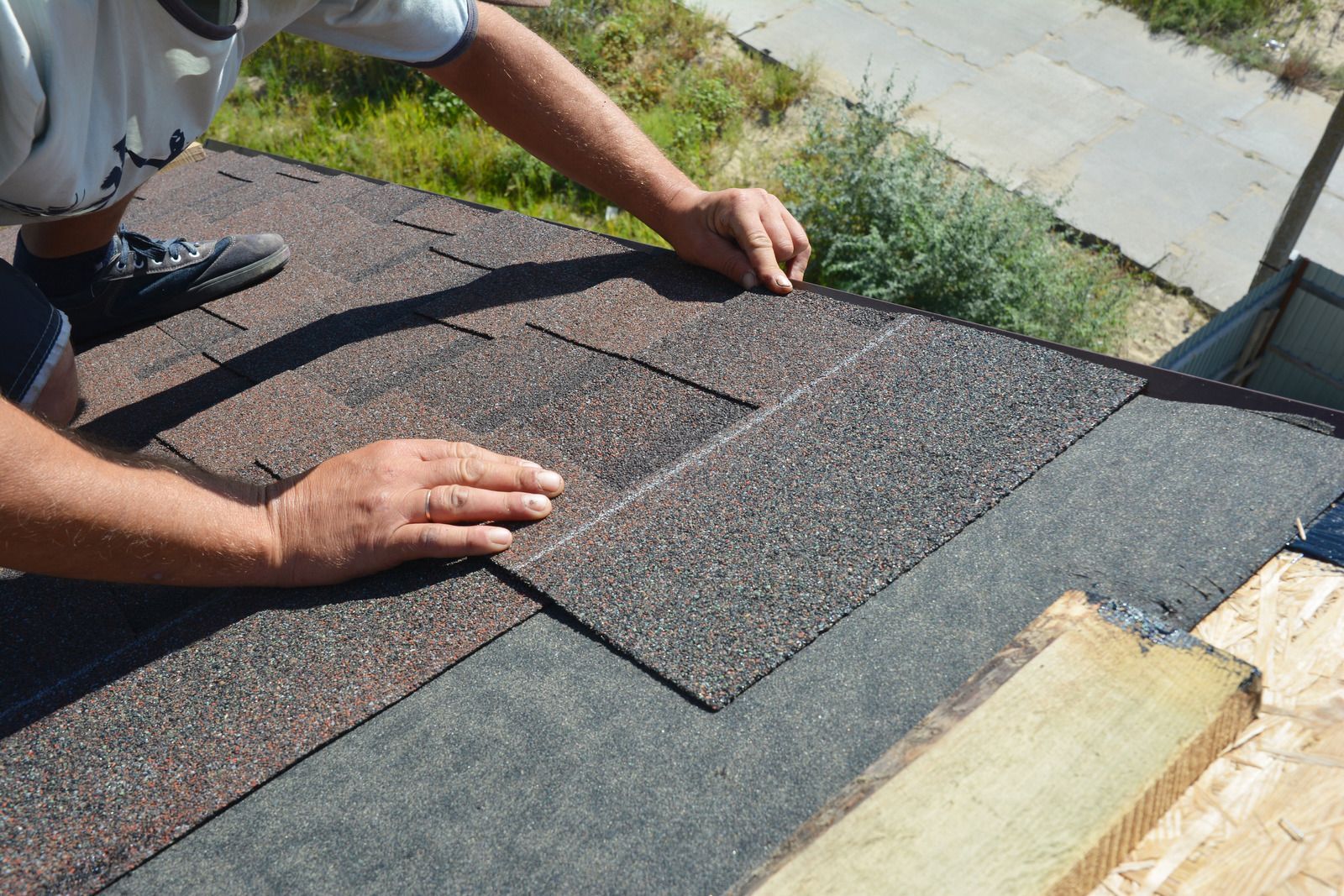
Isolated cracking or curling, limited to one slope or a section around a single penetration, is usually a repair situation. A roofer can pull the affected shingles, check the underlayment and decking beneath for any water intrusion, and replace just that section with matching material. This works well when the rest of the roof still has flexible, granule-covered shingles doing their job.
Widespread curling and cracking across multiple slopes, especially combined with heavy granule loss you can see from the ground, points toward replacement. At that stage, the asphalt across most of the roof has lost the oils that kept it workable, and patching one section just delays the same failure showing up somewhere else within a season or two. Age matters here too. A 20-year-old roof already near the end of its expected lifespan that's showing this pattern is a poor candidate for spot repair, since the material everywhere else is aging on the same clock.
Warning: Don't walk a roof yourself to check for curling or cracking on a hot afternoon. Shingles are at their softest and most vulnerable to foot-traffic damage when the surface temperature is highest, and stepping on brittle, sun-baked shingles can crack material that might otherwise have held up. Leave the walk-through to someone with the right footwear, fall protection, and experience reading what they're looking at.
The middle ground is where a roofer's judgment actually earns its keep. A roof at 12 to 15 years with moderate granule loss but shingles that still flex reasonably well might get several more good years out of a repair, some attic ventilation upgrades, and a plan to budget for full replacement down the road rather than an emergency one.
Frequently Asked Questions
How long do asphalt shingles usually last before UV damage becomes a problem in Utah?
Standard asphalt shingles carry a 20 to 30 year rating, but that assumes average conditions. Along the dry, high-elevation Wasatch Front, visible UV wear like fading and granule loss often appears at 12 to 15 years.
Does the color of my shingles affect how fast they age in the sun?
Yes, somewhat. Darker shingles absorb more heat, pushing surface temperatures higher and speeding oxidation slightly. Lighter, reflective granule blends run cooler and last a bit longer, though that difference is modest rather than a guarantee.
Can I just add a coating to stop granule loss instead of replacing shingles?
Elastomeric coatings exist for flat and low-slope systems, but they aren't a standard fix for pitched asphalt shingles once granule loss sets in. The exposed asphalt underneath is weakening, and coating can't restore lost flexibility.
Is curling always caused by sun damage, or could it be something else?
Sun and age cause most curling, but poor ventilation, wrong nailing, or layering over old shingles can produce similar patterns years earlier. That's why inspection matters. Pattern and location usually point to the real cause.
Will trimming trees near my house actually slow down UV aging?
It helps on shaded sections, but only where shade covers a meaningful part of the day. A tree shading a slope through midday, when the sun is strongest, cuts that section's heat and UV load.
How much does granule loss in the gutters actually matter if the roof still looks fine?
More than it looks. Granules in the gutters mean the layer over the asphalt is thinning, even if shingles look intact from the ground. It's the early stage of the process behind cracking and curling.
Does a steeper roof pitch age faster in the sun than a low-slope roof?
Pitch changes the exposure angle more than total UV received. A steep slope facing south or west takes a direct hit during peak summer sun, while a shallow pitch spreads it out. Orientation matters most.
Reading What Your Sun-Aged Utah Roof Reveals
A roof that cracks and curls is not failing at random. It is responding to years of ultraviolet radiation breaking down the asphalt binder, a process that runs faster along the Wasatch Front thanks to the higher elevation and the dry summer air. The granules washing into your gutters, the color fading on the south-facing slope, and the first edges lifting into a curl are all stages of the same slow chemical breakdown quietly happening beneath the surface of the shingle.
Catching those early signs gives you options that disappear once brittleness has spread across every slope. Based in Layton, UT, J & R Roofing
has built its work around reading this exact pattern of wear, and Jason brings 22
years of hard-won judgment to telling age-related breakdown apart from a simple installation flaw. The choice between a targeted
repair and a full replacement
almost always comes down to how far the sun has already carried the damage.